For decades, horsepower was the dominant currency of automotive performance. It shaped marketing campaigns, defined aspirational vehicles, and gave enthusiasts a common language to compare machines across generations. A higher number meant a faster, more exciting car — or at least that was the widely accepted narrative.
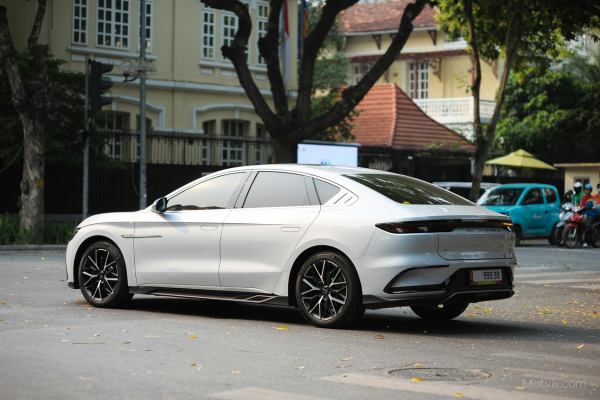
Today, that narrative is being quietly but decisively rewritten. As electric vehicles become an increasingly central part of the automotive landscape, torque has stepped forward as the more meaningful and immediate measure of what a car can actually do on the road.
Understanding the Difference
Horsepower and torque are related but fundamentally different concepts. Torque measures rotational force — the raw pulling and pushing power that moves a vehicle from a standstill. Horsepower, by contrast, is a calculated figure that represents how quickly that torque can be sustained over time and at higher speeds.
In practical terms, torque is what you feel the moment you press the accelerator. It is the sensation of being pushed back into your seat during acceleration. Horsepower becomes more relevant at higher speeds, particularly on racetracks or open highways where sustained velocity matters.
For most everyday drivers, torque is the force they experience most directly — and most immediately.
Why Electric Vehicles Are Driving This Shift
The rise of electric vehicles has accelerated this conversation in a fundamental way. Unlike internal combustion engines, which build torque gradually as RPMs climb, electric motors deliver their full torque output almost instantaneously from the moment they begin to turn.
This characteristic gives electric vehicles a distinctly different performance feel compared to traditional engines. An EV with modest horsepower figures on paper can still feel dramatically fast in the real world precisely because of its immediate torque delivery. The 0-to-60 experience in many electric cars has surprised — and converted — drivers who expected performance to be defined only by large displacement engines or high horsepower numbers.
As a result, automakers marketing electric vehicles have increasingly shifted their emphasis toward torque figures and acceleration times rather than peak horsepower. The conversation around performance is adapting to reflect how these vehicles actually behave.
A Cultural and Commercial Recalibration
This technical shift carries real implications for how the automotive industry communicates with consumers. Manufacturers, journalists, and enthusiasts are all gradually recalibrating their benchmarks.
For buyers who once scanned spec sheets looking for the highest horsepower number, the new question is becoming: how quickly does the power arrive? Instant torque delivery is changing expectations around what responsive, capable performance means in daily driving conditions — city traffic, highway merging, and loaded driving scenarios where pulling power matters more than top-speed capability.
Even within the traditional combustion engine segment, engineers and marketers have increasingly emphasized low-end torque as a key differentiator, particularly in trucks, SUVs, and diesel vehicles where towing and hauling capacity are central to the ownership proposition.
The Enthusiast Perspective
Not everyone is ready to retire horsepower as the primary measure of automotive excitement. Among performance car enthusiasts, high-revving engines that build power dramatically through their RPM range remain deeply valued. The emotional experience of an engine climbing toward its horsepower peak is a defining element of driving culture that torque figures alone cannot fully capture.
This suggests that rather than one metric replacing the other entirely, the industry is moving toward a more nuanced understanding of performance — one that considers both the immediacy of torque and the sustained capability reflected in horsepower.
A New Standard for a New Era
The shift from horsepower to torque as a primary performance benchmark reflects something larger: the automotive industry is evolving its definition of what makes a great car. Speed remains important, but responsiveness, usability, and real-world capability are gaining equal weight in how vehicles are judged and marketed.
As electric vehicles continue to grow their share of the global market, and as drivers accumulate firsthand experience with instant torque delivery, the benchmarks used to evaluate automotive performance will keep evolving. Torque is no longer a secondary figure buried in a spec sheet — it is increasingly the first thing that tells you what a modern car is made of.