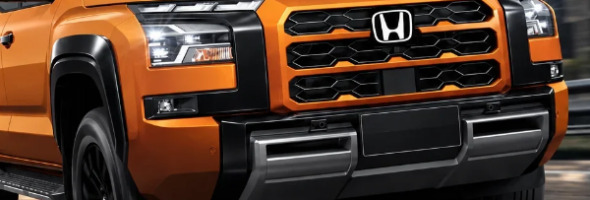
For decades, buying a new car followed a familiar script. You walked into a dealership, chose a model, and then selected from a handful of predetermined packages — base, mid, premium, and perhaps a range-topping edition. Each tier came bundled with a specific set of features, whether you wanted all of them or not. That system is now quietly eroding, and a more flexible approach is taking its place across the industry.
Major automakers are increasingly moving away from rigid trim hierarchies and toward configurable factory option structures — a model that allows buyers to select individual features, technology packages, or design elements without being locked into a predefined bundle. The shift may seem subtle from the outside, but its implications for how vehicles are designed, marketed, and sold are profound.
Why the Old Model Is Breaking Down
The traditional trim level system was built for a different era — one where manufacturing simplicity and supply chain predictability mattered more than personalization. Offering three or four fixed configurations made production easier and inventory management more straightforward. But consumer expectations have changed dramatically.
Today’s car buyer is more informed, more digitally native, and more accustomed to customizing products to their specific needs. The idea of paying for a sunroof simply because it came bundled with a parking sensor package no longer sits well with modern buyers. Automakers have taken notice.
At the same time, the rise of software-defined vehicles has made individual feature selection technically feasible in ways that were never possible with hardware-dependent configurations. When a feature lives in software, enabling or disabling it becomes a matter of code rather than a production line retool.
How the New Configuration Model Works
Rather than choosing between a handful of trim names, buyers in this emerging model begin with a base vehicle and build outward. Safety technology, driver assistance systems, interior materials, display configurations, and powertrain options can each be selected — or declined — independently. The result is a vehicle that more closely reflects what an individual actually wants and is willing to pay for.
Some manufacturers have already made significant moves in this direction, restructuring their lineup pages to emphasize options rather than tiers. Online configurators have grown increasingly sophisticated, guiding buyers through choices in a way that mirrors the experience of configuring a smartphone or a laptop.
The Dealer and Production Dilemma
This transition is not without friction. Traditional dealerships have long relied on pre-built inventory — vehicles sitting on the lot ready for a test drive and a same-day purchase. A highly personalized, factory-order model challenges that structure fundamentally. It demands longer lead times, tighter communication between buyers and manufacturers, and a rethinking of how showrooms operate.
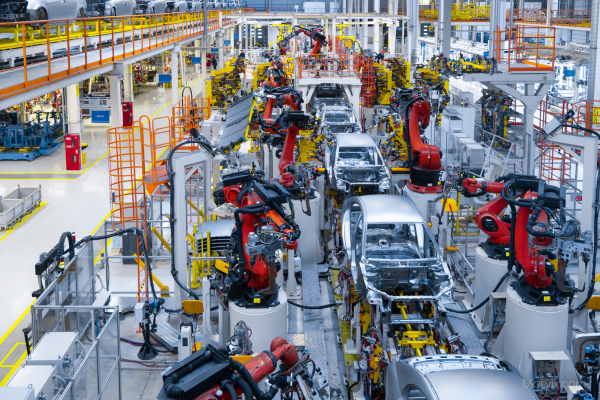
Production lines must also adapt. Flexibility in assembly requires investments in modular manufacturing and smarter logistics. The short-term costs are real, even if the long-term payoff — in customer satisfaction and reduced unsold inventory — may well justify them.
What This Means for Buyers
For the average consumer, the shift toward factory options offers genuine benefits. The ability to pay precisely for what you want — and nothing more — is a meaningful improvement in value transparency. It also reduces the friction of compromising on features that have nothing to do with your actual priorities.
However, the transition requires buyers to be more engaged in the purchase process. Choosing from a menu of individual options demands more decision-making than simply selecting “Sport” or “Premium.” Automakers will need to invest in clear, intuitive tools that make configuration feel empowering rather than overwhelming.
A Structural Shift, Not Just a Trend
What is happening across the industry is not a passing marketing adjustment. It reflects a deeper structural rethinking of how vehicles are conceived, produced, and sold. As connectivity, electrification, and software integration continue to reshape what a car actually is, the logic of the fixed trim level becomes increasingly difficult to defend.
The automotive industry has always evolved in response to technology and consumer demand. The quiet replacement of trim levels by factory options may be one of the most consequential — and least talked about — transformations happening in the market right now.