For decades, automotive color was largely an afterthought — a final layer applied to a finished form. Today, that relationship has reversed. A growing number of automakers are treating color as a structural element of design itself, using deliberate color blocking to divide, define, and dramatize the exterior surfaces of their vehicles in ways that go far beyond the traditional two-tone roof treatment.
What was once a niche styling choice reserved for retro-inspired city cars is now appearing across segments — from compact crossovers and premium SUVs to performance coupes and electric vehicles — signaling a broader shift in how the industry thinks about visual identity at the surface level.
Beyond the Contrasting Roof
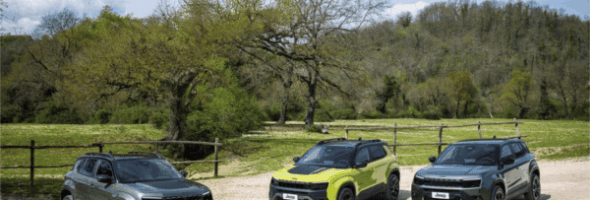
The classic two-tone formula — a body in one color, a roof painted in another — remains popular, but modern color blocking pushes that concept into more complex territory. Designers are now extending contrasting hues across the lower body cladding, door sill zones, hood accents, and even A-pillar and C-pillar treatments, creating visual breaks that guide the eye across the vehicle’s profile.
This approach serves a dual purpose. Aesthetically, it adds depth and dynamism to surfaces that might otherwise read as flat or monotonous. Architecturally, it can visually alter perceived proportions — lowering a roofline, widening a stance, or making a tall SUV appear more grounded and athletic.
The result is that color is doing structural work, reinforcing or even reshaping the character of a design without changing a single physical line.
Electric Vehicles as the New Canvas
Electric vehicles have emerged as particularly fertile ground for color blocking experimentation. Because EVs often feature smoother, more sculpted body panels with fewer traditional openings — no large grilles, fewer visual anchors — designers have more uninterrupted surface area to work with. This freedom invites bolder color decisions.
Several electric models have arrived with factory color-blocking configurations that place lighter tones on the upper body and darker or more saturated hues below the beltline, creating a visual weight distribution that feels intentional and confident. In some cases, the battery floor itself informs the design logic — what sits low stays grounded in tone, what rises above becomes expressive.
Customization as a Core Value Proposition
Automakers have also recognized that color blocking is a powerful tool for personalization. In an era where buyers increasingly expect vehicles to reflect individual identity, offering curated two-tone combinations through official configurators allows brands to expand their product portfolio without adding new models.
This strategy is particularly visible in the premium and near-luxury segments, where color pairing options — sometimes extending to three distinct zones — carry additional cost but also significant perceived value. The message to the buyer is clear: your vehicle can look unlike anyone else’s on the road.
That sense of distinction is not accidental. Brand design teams are developing color-blocking architectures that are specific to each model’s character, ensuring that contrasting zones feel native to the design rather than applied as an afterthought.
Craftsmanship and Precision at Scale
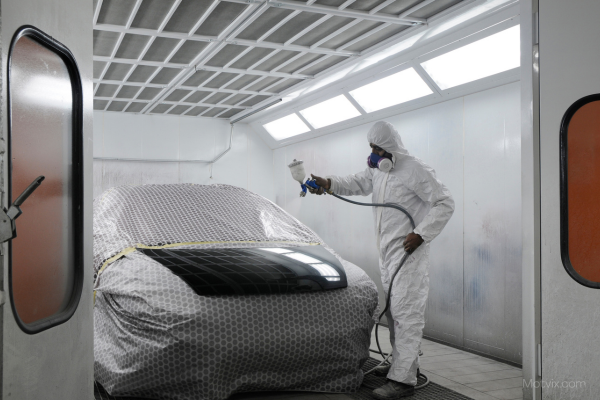
Executing color blocking at production scale is no small engineering feat. Achieving clean, consistent demarcation lines between two painted surfaces requires precise masking, careful surface preparation, and strict quality control — especially when those lines travel across complex curves and panel gaps.
The craft involved is one reason why well-executed color blocking carries prestige. When the break between hues is razor-sharp and follows the vehicle’s character lines with precision, it communicates a level of manufacturing care that buyers notice and associate with quality.
A Trend With Staying Power
Color blocking in automotive design is not a passing moment. It reflects a deeper industry commitment to making exterior surfaces more expressive, more personal, and more architecturally considered. As design teams continue to explore the interplay between form and finish, color is becoming one of the most powerful tools available — not to dress a car, but to define it.
For drivers who want their vehicle to communicate something before the engine even starts, color blocking offers exactly that: a statement made in silence, painted in two tones.