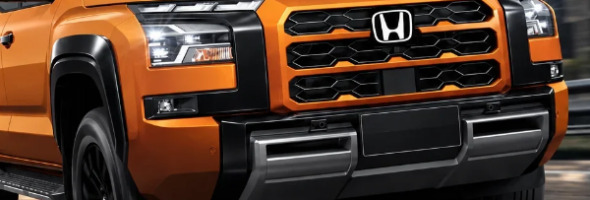
Few elements in automotive design generate as much conversation, controversy, and brand recognition as the front grille. What was once a straightforward mechanical necessity — allowing air to reach the radiator and cool the engine — has transformed into the single most expressive surface on any modern vehicle. Today, grille design is where engineering requirements, brand identity, consumer expectations, and aesthetic ambition collide with remarkable intensity.
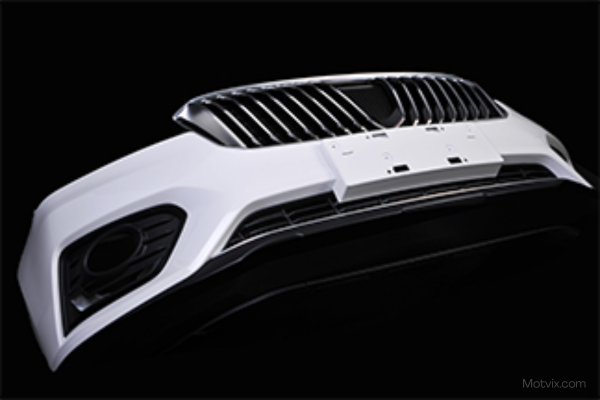
From oversized kidney shapes to full-width light bars masquerading as grilles, the front fascia of a car is no longer just a functional aperture. It is a statement, a signature, and increasingly, a battleground.
From Function to Face
For most of automotive history, the grille served a straightforward purpose: direct airflow toward the cooling system. Its shape was largely dictated by engineering constraints — the size of the radiator, the hood line, and aerodynamic requirements. Design played a secondary role.
That balance shifted gradually through the latter half of the twentieth century, as manufacturers began to understand that the front end of a car was the first thing a buyer saw. Grilles became taller, wider, and more visually distinct. Brands began to invest heavily in making their front fascias immediately recognizable. The grille evolved from a technical necessity into a branding instrument.
The Electric Vehicle Paradox
The arrival of electric vehicles introduced a genuine philosophical crisis in grille design. Without a combustion engine, there is no radiator to cool, which means there is no functional need for a traditional open grille. Yet completely sealing the front of a car risks stripping it of its visual personality — and alienating consumers who associate a bold front opening with power and confidence.
Different manufacturers have responded in strikingly different ways. Some have retained the grille shape as a purely aesthetic element, a sealed panel that mimics the familiar proportions of their heritage. Others have abandoned the grille entirely, replacing it with flush, aerodynamic surfaces or expansive light signatures that redefine what a vehicle’s face can look like. Neither approach has emerged as definitively correct, and that uncertainty has intensified the debate among designers, critics, and consumers alike.
Bigger Isn’t Always Better — But Brands Keep Trying
One of the most visible trends in recent years has been the dramatic enlargement of grille openings across multiple vehicle segments. Luxury manufacturers in particular have pushed their signature shapes to proportions that have divided opinion sharply. Critics argue that oversized grilles can overwhelm a vehicle’s proportions and reduce overall harmony. Supporters contend that scale communicates presence, heritage, and a willingness to be bold.
The debate reflects a deeper tension in contemporary automotive design: the pressure to stand out in an increasingly crowded market against the discipline required to maintain aesthetic coherence. When every brand is competing for visual dominance at the front of their vehicles, the results can range from genuinely striking to visually exhausting.
Digital Influence and the Consumer Voice
Social media has amplified the grille debate in ways that were unimaginable just a decade ago. Design reveals now generate immediate, visceral reactions from audiences worldwide before a single car reaches a showroom. Online communities dissect proportions, compare heritage models, and form strong opinions that manufacturers can no longer ignore.
This shift has added a new layer of accountability to the design process. Studios that once worked in relative isolation now operate with the awareness that their choices will be subjected to public scrutiny almost instantly. For grille design specifically, this means that every scale decision, every material choice, and every departure from established brand language carries commercial risk as well as creative consequence.
Design Language as Competitive Advantage
The most successful automotive brands today are those that have managed to make their front ends instantly recognizable without sacrificing visual coherence. A strong grille identity creates the kind of brand equity that advertising alone cannot manufacture. Consumers recognize the shape before they see the badge, and that recognition translates directly into loyalty and purchase intent.
This is why grille design is no longer a detail delegated to junior members of a design team. It sits at the center of strategic decisions made at the highest levels of automotive companies, involving design leadership, brand management, and market research simultaneously.
A Surface That Defines an Era
The grille’s journey from mechanical component to cultural symbol mirrors the broader evolution of the automobile itself. As vehicles become more software-defined, more electrified, and more connected, the physical surfaces that give them character become more valuable, not less. The front fascia remains the most immediate point of contact between a brand and the world — and that is precisely why it has become the most contested space in modern automotive styling.