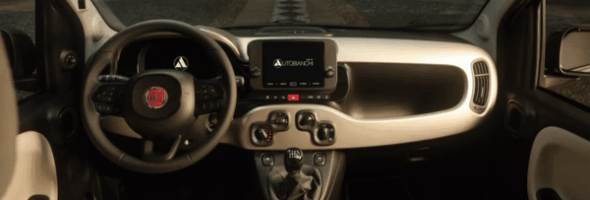
Walk into any modern car showroom and the pattern is hard to miss. Expansive touchscreens stretch across dashboards, digital instrument clusters glow behind steering wheels, and physical buttons increasingly vanish in favor of virtual menus. The automotive interior has become a battleground for software, and screens are winning.
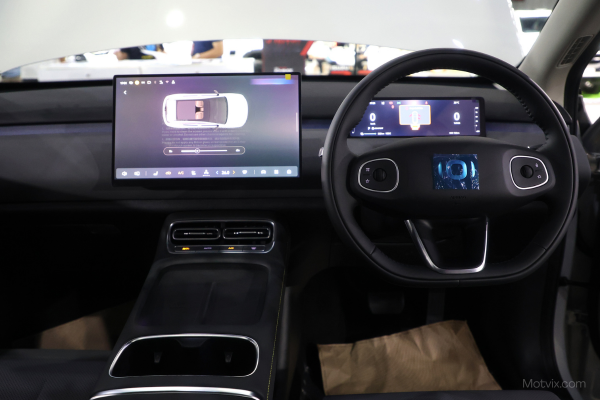
Yet somewhere in this relentless march toward digitization, a quieter conversation is taking place among engineers, designers, and drivers alike. The question being asked, sometimes reluctantly, is whether analog gauges still belong in the modern cockpit — and whether their disappearance is actually progress at all.
Reading the Road, Not the Screen
The fundamental purpose of an instrument cluster is deceptively simple: to give the driver accurate, immediate information without demanding attention from the road. This is where analog gauges have historically excelled. A physical speedometer needle rising toward red communicates urgency in a way that a changing number on a screen simply does not replicate with the same instinctive clarity.
Human vision is remarkably good at detecting movement and position within a familiar visual field. A needle at the nine o’clock position means one thing; at twelve o’clock, it means another. Drivers internalize these spatial relationships over time, allowing them to absorb critical information with little more than a peripheral glance. Digital readouts, by contrast, require the brain to interpret numerical characters — a process that, while brief, is measurably different in cognitive load.
This distinction matters especially at speed, in unfamiliar conditions, or during moments of high stress behind the wheel. When fractions of a second count, the design of information delivery is not a styling choice — it is a safety consideration.
The Emotional Argument
Beyond pure function, analog gauges carry something that pixels struggle to replicate: a sense of mechanical honesty. There is a directness to watching a tachometer needle sweep upward in response to engine revs, a physical metaphor for the energy happening beneath the hood. For many drivers, this connection is not nostalgia — it is engagement.
Automotive brands that cater to enthusiasts have long understood this. Sports cars and performance-oriented vehicles frequently retain traditional gauge clusters precisely because their buyers seek involvement rather than abstraction. The instrument panel becomes part of the driving theater, not merely a data source.
Even luxury brands, which have been among the most aggressive adopters of large-screen interiors, have found ways to blend real dials with digital surfaces. Some premium manufacturers now offer configurable clusters that can display analog-style graphics on screen — an acknowledgment, perhaps, that the aesthetic and psychological value of the traditional gauge remains difficult to simply delete.
When Digital Overreaches
The criticism of fully digital cockpits is not that the technology is inferior in isolation. High-resolution displays are capable of extraordinary precision and flexibility. The concern arises when design priority shifts from driver clarity to product differentiation.
Oversized touchscreens that bury climate controls three menu levels deep, or instrument clusters packed with animated graphics that distract rather than inform, represent a failure of purpose dressed as innovation. Technology in the cockpit should serve the driver, not perform for them.
Regulators in several markets have begun to take notice of distraction risks linked to complex in-car interfaces, and ongoing discussions around driver-assistance transparency suggest that how information is displayed may warrant as much attention as what information is displayed.
A Design Philosophy Worth Preserving
The most compelling modern interiors tend to be those that treat analog and digital as complementary rather than competing philosophies. A crisp physical speedometer flanked by a configurable digital display can offer the best of both worlds — immediate spatial readability where it matters most, and flexible information depth where it is genuinely useful.
The case for analog gauges in 2024 and beyond is not a romantic plea to halt progress. It is a reminder that good design is always in service of the human using it. As cockpits grow ever more sophisticated, the wisest automotive designers will be those who resist the temptation to innovate for its own sake — and who recognize that sometimes, a simple needle pointing north tells the driver everything they need to know.