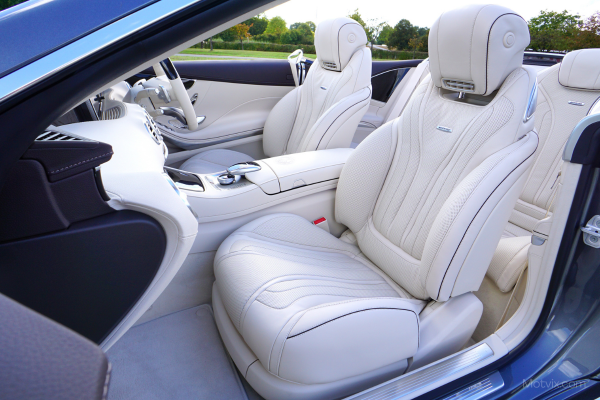
Walk into any modern car showroom and your eyes will naturally drift toward the dashboard screens, the ambient lighting, or the sculpted door panels. Yet the single element that most profoundly determines how you feel after an hour on the road sits right beneath you. Seat ergonomics is not simply about comfort — it is the foundational science that quietly governs nearly every interior design decision a manufacturer makes.
More Than a Place to Sit
At its core, ergonomics is the study of how objects and environments interact with the human body. In the automotive context, this means understanding how a driver or passenger maintains posture, distributes body weight, manages fatigue, and interacts with controls over sustained periods of time. A well-engineered seat does not just feel pleasant on a short test drive — it actively supports the spine, reduces muscle tension, and minimizes the physical stress associated with long journeys.
Engineers and designers approach seat development through a combination of biomechanical research, anthropometric data, and materials science. They analyze the position of the lumbar spine in a natural seated posture, the pressure points across the thighs and lower back, and the angle at which the hips and knees rest relative to the floor. These calculations are then translated into foam densities, cushion profiles, bolster shapes, and structural frameworks before a single piece of upholstery is ever sewn.
The Ripple Effect on Interior Architecture
What makes ergonomics particularly influential is how far its requirements extend beyond the seat itself. Once a manufacturer establishes the correct hip point — the precise vertical and horizontal location of the occupant’s hip joint in the designed seating position — virtually every other interior element must align around it.
The placement of the steering wheel, the angle of the instrument cluster, the reach distance to the infotainment screen, the height and angle of the center console, and even the position of the headliner all cascade from that single ergonomic reference point. Change the hip point, and you effectively change the entire cabin layout. This is why seat design is one of the earliest and most consequential decisions in a vehicle’s development cycle.
Lumbar Support and Long-Distance Wellbeing
Among the most critical ergonomic elements is lumbar support — the gentle curvature built into the lower section of a seatback to maintain the spine’s natural inward curve. Without adequate lumbar reinforcement, the lower back tends to round outward during extended driving, placing pressure on intervertebral discs and triggering fatigue far sooner than necessary. Premium vehicles increasingly offer electrically adjustable lumbar systems that allow drivers to fine-tune support to their individual anatomy, reflecting how seriously manufacturers now treat personalized ergonomics.
Materials, Heat, and the Pressure Map
Ergonomics also informs material selection. Memory foam layers and multi-density foam composites are chosen not purely for luxury feel, but because they distribute body weight more evenly, reducing peak pressure at specific contact points. Ventilated and heated seat functions further extend the ergonomic agenda: managing seat surface temperature directly affects blood circulation and perceived fatigue during long drives. Even the choice of fabric versus leather or synthetic alternatives carries ergonomic implications, since different materials vary in friction, breathability, and the degree to which they allow natural micro-movements while seated.
A Design Language Rooted in Human Physiology
There is a subtle but important truth embedded in seat ergonomics that speaks to the broader philosophy of good automotive design: the best interiors are not designed around aesthetics first. They are designed around the human body, and aesthetics follow. The visual harmony of a well-crafted cabin is, in many cases, an expression of solutions already arrived at through ergonomic necessity.
As vehicles evolve toward longer ranges, autonomous capabilities, and increasingly flexible interior formats, the science of seating will only grow more central. When passengers are no longer required to focus on the road, their physical comfort over extended periods becomes the dominant concern. Manufacturers who invest deeply in ergonomic research today are, in effect, designing the interiors of tomorrow.
Understanding why a seat is shaped the way it is — and how that shape echoes across an entire cabin — is to understand one of the most human-centered disciplines in modern automotive engineering.