For the better part of the last decade, the automotive industry seemed to have written off the sedan. Consumers gravitated toward SUVs and crossovers, drawn by their commanding ride height, versatile cargo space, and perceived practicality. Traditional three-box cars steadily disappeared from dealership floors, and many manufacturers quietly discontinued beloved nameplates. Yet something unexpected is happening: the sedan is coming back — and this time, it is electric.
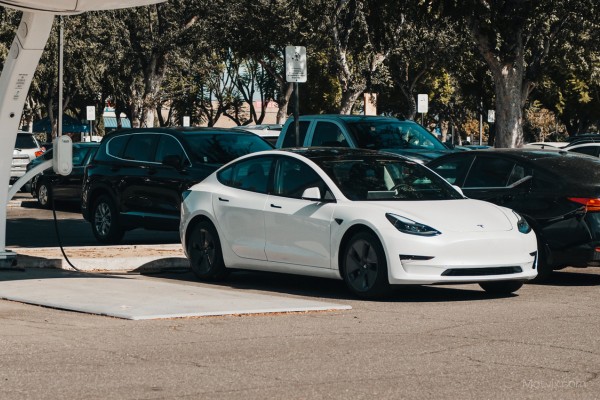
The resurgence is not driven by nostalgia. It is being shaped by a new set of priorities that align surprisingly well with what a well-designed sedan can offer in an electrified world.
Why Sedans and Electric Powertrains Are a Natural Match
The architecture of a battery-electric vehicle actually favors the sedan format in meaningful ways. With a flat battery pack integrated into the floor, electric sedans benefit from a lower center of gravity, which improves handling stability without requiring suspension compromises. The absence of a traditional drivetrain tunnel also frees up interior space, making the cabin feel more generous than the exterior dimensions might suggest.
Aerodynamics is another decisive factor. Sedans, by their very shape, tend to produce less drag than tall-bodied SUVs. In an electric vehicle, where aerodynamic efficiency translates directly into range, this becomes a genuine engineering advantage rather than a cosmetic one. Manufacturers optimizing for real-world range are rediscovering the sedan silhouette as a logical choice.
A Shift Toward Everyday Usability
What distinguishes this new wave of electric sedans from earlier attempts is a deliberate focus on practical, day-to-day functionality. Early electric vehicles often prioritized headline-grabbing performance figures — extraordinary acceleration times, extreme power outputs — as a way to justify the technology and attract early adopters. That approach served its purpose, but it also left many potential buyers feeling that electric cars were more about spectacle than substance.
The current generation of electric sedans is being engineered with a different consumer in mind: someone who drives to work, picks up family members, manages weekly errands, and takes occasional road trips. That means longer real-world range estimates, faster and more accessible charging compatibility, intuitive cabin technology, and competitive pricing structures that do not require buyers to choose the top trim to get useful features.
Comfort refinement is also receiving renewed attention. Electric motors are inherently quieter than combustion engines, and sedan body styles naturally lend themselves to a more serene cabin experience. Manufacturers are investing in acoustic insulation, smoother suspension tuning, and driver-assistance systems calibrated for long-distance comfort rather than track-day performance.
Design Language Is Evolving Too
Visually, the new electric sedan is shedding some of the more aggressive styling cues that characterized earlier models. Clean surfaces, flush door handles, refined lighting signatures, and thoughtful interior layouts are replacing the sharp angles and dramatic proportions that once dominated the segment. The goal is to communicate sophistication and confidence without relying on visual aggression.
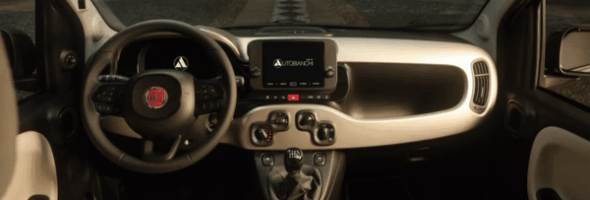
Interior design, in particular, is evolving rapidly. Screen-heavy dashboards are being reconsidered in favor of more balanced layouts that combine digital functionality with physical controls where it matters. Materials choices are also shifting, with sustainable and recycled fabrics gaining visibility as a genuine selling point rather than an afterthought.
A Broader Market Signal
The return of the electric sedan reflects something larger happening in the industry: a maturation of the EV market itself. The technology no longer needs to prove itself through extremes. It can now compete on the terms that matter most to the widest range of buyers — reliability, comfort, value, and the quiet confidence of a vehicle that simply works well every day.
Whether this translates into a full-scale revival of the sedan as a dominant body style remains to be seen. The SUV is not going anywhere. But the electric sedan no longer needs to fight for relevance — it is earning it, one practical kilometer at a time.