The luxury electric SUV segment has rapidly evolved from a niche curiosity into one of the most fiercely contested spaces in the automotive industry. Premium brands that once dominated with powerful combustion engines are now redefining their identities around silent powertrains, sophisticated software, and digital-first cabins. Yet despite sharing the same electrified territory, these manufacturers are pursuing strikingly different paths to win over discerning buyers.
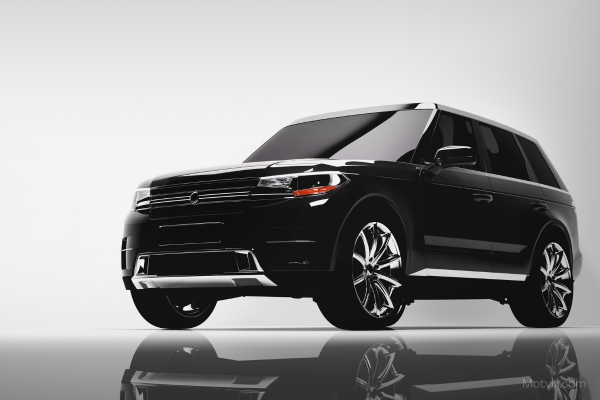
The central question is no longer whether luxury buyers will accept electric vehicles — many already have. The real battleground is how each brand justifies its premium price tag in an era where the fundamental driving experience is being rewritten from the ground up.
Technology as the Primary Differentiator
For some manufacturers, the answer lies in technological supremacy. Advanced driver-assistance systems, over-the-air software updates, and proprietary charging infrastructure have become as important as horsepower figures once were. A growing number of luxury electric SUVs now feature intelligent cabin management systems that learn driver preferences, adjust ambient settings autonomously, and integrate seamlessly with broader digital ecosystems.
This software-first approach represents a fundamental shift in how premium value is communicated. Where craftsmanship and mechanical refinement once told the story of exclusivity, lines of code and processing power are increasingly doing the same work.
Design and Craftsmanship: The Traditional Luxury Argument
Other brands are deliberately resisting the urge to lead with technology, instead doubling down on heritage and sensory luxury. Hand-stitched interiors, sustainably sourced materials, and meticulous attention to acoustic refinement remain central to their pitch. For these automakers, the electric powertrain is a foundation — a clean, quiet platform upon which traditional luxury virtues are layered with even greater precision.
This approach speaks to a buyer who values continuity: someone who expects a luxury SUV to feel exceptional before it even moves, and who views a serene cabin as the ultimate expression of premium engineering.
Performance-Led Positioning
A third camp is leveraging the inherent performance advantages of electric propulsion to redefine what a luxury SUV can do dynamically. Instant torque delivery, low centers of gravity enabled by floor-mounted battery packs, and adaptive suspension systems are being used to create vehicles that feel athletic without sacrificing refinement.
For these brands, the argument is clear: an electric luxury SUV does not need to choose between comfort and capability. It can credibly offer both, and the performance figures themselves become a form of status signaling in a segment where exclusivity has always mattered.
Sustainability as a Brand Statement
Beyond the product itself, a number of luxury electric SUV makers are investing heavily in communicating the environmental credentials of their vehicles — not as an afterthought, but as a core component of the brand promise. Responsibly sourced battery materials, carbon-neutral production processes, and end-of-life battery recycling programs are being positioned as marks of prestige in their own right.
This reflects a broader shift in luxury consumer values. For a meaningful portion of premium buyers, particularly younger ones, the ethics behind a product are inseparable from its desirability.
What Buyers Are Actually Weighing
Despite the diversity of strategies, buyers in this segment are ultimately evaluating a consistent set of priorities: range confidence, charging convenience, long-term reliability, and the overall ownership experience. Brands that address these practical concerns while delivering on their specific luxury promise — whether that is technological, aesthetic, dynamic, or ethical — are best positioned to build lasting loyalty.
The luxury electric SUV market is still young enough that no single playbook has proven definitively superior. What is becoming clear, however, is that differentiation itself is the strategy. In a segment growing more crowded by the season, standing for something specific and executing it with conviction may be the most reliable path to long-term relevance.
A Market Still Being Written
The competition among luxury electric SUV makers is, in many ways, a mirror of a broader transformation reshaping the entire automotive industry. The brands that emerge strongest will likely be those that understand their buyers most deeply — and that have the discipline to remain true to a coherent vision, even as the field continues to expand.