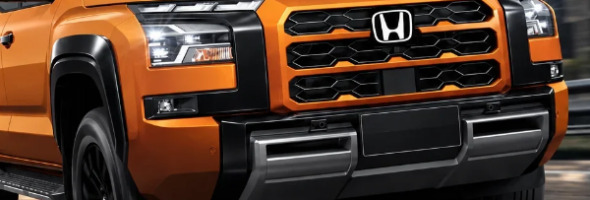
In the automotive world, a brand-new model launch tends to dominate the conversation. Flashy reveals, global press events, and months of anticipation make it easy to overlook something far more practical: the quiet but consequential mid-cycle update. These refreshed versions of existing vehicles rarely generate the same buzz, yet for many buyers, they represent one of the smartest purchasing decisions available.

What Is a Mid-Cycle Update — and Why Does It Matter?
Automakers typically follow a development cycle that spans several years between entirely new generations of a vehicle. Midway through that cycle, manufacturers often introduce what the industry calls a mid-cycle refresh or facelift. These updates can range from cosmetic tweaks — revised front fascias, updated lighting signatures, new color options — to genuinely substantive improvements in technology, powertrain efficiency, and interior quality.
The problem is that marketing budgets rarely treat these updates with the same urgency as a full model debut. As a result, refreshed vehicles frequently sit on dealer lots without buyers fully understanding just how much the vehicle has evolved since its original launch.
Where the Real Improvements Hide
It would be a mistake to assume that a mid-cycle update only means a new grille or a fresh set of alloy wheels. In many cases, manufacturers use the refresh window to address the criticisms that emerged during the first half of the model’s life cycle.
- Infotainment and connectivity: Some of the most meaningful upgrades arrive through updated software platforms, larger touchscreens, and improved integration with smartphone ecosystems. A vehicle that launched with a laggy or unintuitive system may return with a dramatically more responsive cabin experience.
- Driver-assistance systems: Safety technology evolves rapidly. Mid-cycle refreshes frequently introduce updated sensor arrays, improved lane-keeping algorithms, and expanded adaptive cruise control functionality — features that were unavailable or optional at launch.
- Powertrain refinements: Fuel efficiency improvements, smoother transmission calibration, or the addition of a hybrid variant are all changes that can quietly transform how a vehicle feels and performs on a daily basis.
- Interior materials and ergonomics: Automakers listen to owner feedback. Complaints about hard plastics, awkward switchgear, or poor visibility often lead to targeted corrections in updated models.
The Value Proposition Is Hard to Ignore
From a financial perspective, refreshed models frequently offer compelling value. Because they don’t carry the premium of an entirely new generation, pricing tends to remain competitive. At the same time, the improvements they bring can close — or eliminate — the gap between them and newer rivals.
For consumers who prioritize reliability data and long-term ownership confidence, a mid-cycle model also benefits from the real-world experience accumulated during the first years of production. Early manufacturing quirks are typically ironed out, and the service network is already well-acquainted with the vehicle’s needs.
A Different Kind of Smart Purchase
There is a certain wisdom in letting early adopters absorb the surprises that come with any genuinely new vehicle. The buyer who steps in at the mid-cycle refresh point gets the best of both worlds: a product that has been tested, critiqued, improved, and refined — without necessarily paying the price premium of the next full generation.
This doesn’t mean every refresh deserves equal enthusiasm. Some updates are genuinely superficial, and it remains important for buyers to research what has specifically changed before making assumptions. But the broader point stands: mid-cycle updates often punch above their weight, and they deserve far more serious consideration than they typically receive in mainstream automotive coverage.
The Bottom Line
As the automotive market grows increasingly competitive and technology evolves faster than ever, manufacturers are under pressure to keep their lineups relevant between full redesigns. That pressure tends to produce more meaningful mid-cycle changes than the industry has historically delivered. Paying close attention to these updated models — rather than waiting for the next big reveal — could very well lead to the most satisfying vehicle purchase of the year.