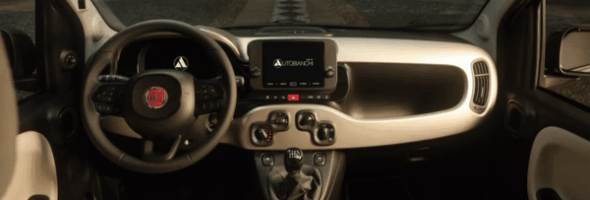
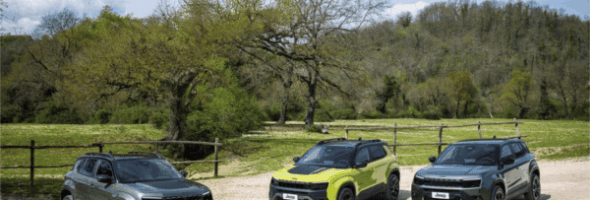
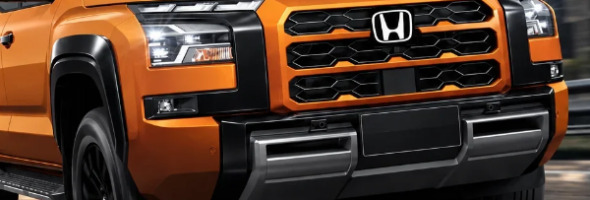
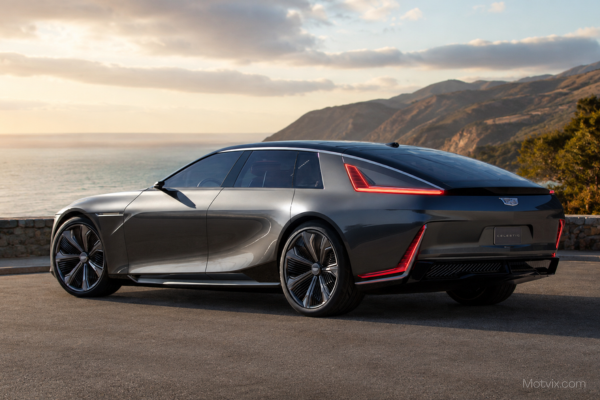
Concept vehicles have long served as the automotive industry’s most expressive canvas — a place where designers and engineers can push boundaries without the constraints of mass production. But not every concept is destined to remain a dream. Some carry enough commercial intent, technical readiness, and market timing to cross the threshold from show floor to dealership lot. Here are three standout concept vehicles that show strong signals of reaching production within the next two years.
1. The Shift Toward Production-Ready Concepts
In recent years, the line between concept and production has become increasingly blurred. Automakers are no longer presenting purely speculative designs; instead, many reveal concepts that are already 70 to 90 percent engineered. Battery platforms, software architecture, and manufacturing processes are often finalized long before a concept makes its public debut. This strategic approach allows brands to gauge consumer reaction while minimizing development risk.
When a concept uses a confirmed production platform, carries a near-final interior layout, and is presented with detailed specification language rather than vague promises, it is rarely more than a development cycle away from assembly lines.
2. The Electric SUV Concept Reimagining Urban Mobility
Several major manufacturers have recently unveiled compact electric SUV concepts targeting the urban premium segment — one of the fastest-growing categories in global automotive markets. These concepts typically feature flush door handles, panoramic glass roofs, and minimalist interiors dominated by a central screen and sustainable materials.
What makes them credible production candidates is the platform beneath them: shared electric architectures that are already underpinning vehicles currently in showrooms. When a brand reuses a proven chassis and battery system, the leap from concept to production becomes significantly shorter. Expect at least one of these urban electric SUVs to receive a formal production announcement before the end of the coming model year cycle.
3. The Revived Nameplate Riding Nostalgia and Technology
Heritage is having a moment in the automotive world. Brands with deep historical roots are leveraging iconic nameplates to generate emotional resonance in an era dominated by anonymous crossovers. Several recently shown concepts carry names that once defined an entire generation of motoring — now reimagined with electric powertrains, contemporary proportions, and advanced driver-assistance systems.
These revival concepts tend to move quickly toward production precisely because the marketing work is already done. Consumer recognition is built in, and brand management teams understand the commercial window for nostalgia is finite. When engineering and storytelling are already aligned, production timelines compress dramatically.
4. The High-Performance Halo Concept Built to Become Reality
Performance-oriented concepts occupy a special place in automotive strategy. They elevate brand perception, attract media attention, and signal technical ambition. But the most credible among them — the ones that are genuinely heading toward production — tend to share specific characteristics: a defined powertrain with real output figures, a cockpit designed around actual ergonomic standards, and a price positioning that reflects an existing market segment.
At least one performance concept recently revealed by a European manufacturer meets all of these criteria. Its proportions suggest a small production run rather than a one-off showpiece, and the brand’s recent investment in its performance sub-division points to a commercial intent that goes well beyond a press release.
Reading the Signs
Not every concept is destined for production — but savvy automotive observers know how to read the signals. Platform sharing, confirmed supplier partnerships, regional homologation language, and executive commentary during reveal events all serve as reliable indicators of a concept’s true trajectory.
The automotive calendar over the next 24 months promises to be unusually rich in confirmed launches. Consumers and enthusiasts alike should pay close attention to the concepts already circulating — because some of them are closer to reality than their show-car finishes might suggest.
The future of production design is increasingly being written in concept studios today. The vehicles that reach dealerships tomorrow are already turning heads on show floors right now.