Walk through any major auto show floor or scroll through any manufacturer’s press release queue in 2025, and the pattern is impossible to ignore: the SUV segment is not just thriving — it is evolving at a pace that reflects the demands of a genuinely changing consumer base. The latest round of launches, spanning everything from compact urban crossovers to full-size family haulers, paints a revealing picture of where automotive priorities now stand.
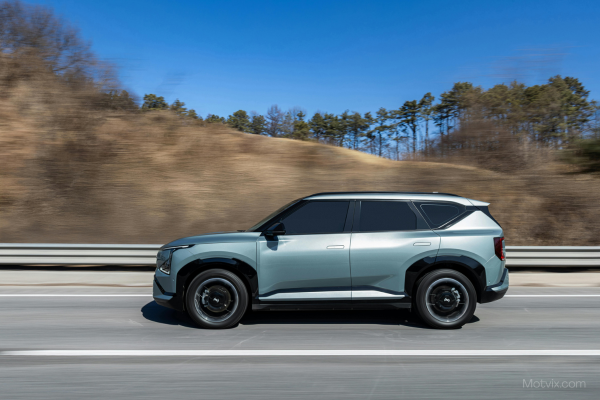
These vehicles are not simply bigger or faster than their predecessors. They are more considered — engineered around the specific expectations of a buyer who researches deeply, values efficiency, and refuses to compromise on experience.
Technology Has Moved from Bonus to Baseline
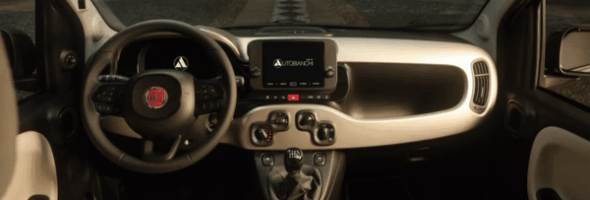
One of the most consistent themes across recent SUV launches is the elevation of onboard technology from a premium add-on to a standard expectation. Large touchscreens, over-the-air software updates, wireless smartphone integration, and advanced driver-assistance systems are no longer reserved for flagship trims. Buyers in 2025 expect them at entry level.
This shift matters because it signals a fundamental change in how consumers define value. Comfort and cargo space still count, but a fragmented or outdated digital experience can now be a dealbreaker — particularly for younger buyers who approach vehicle ownership with the same expectations they bring to consumer electronics.
Electrification Without Compromise
Automakers are clearly reading the room on powertrains. The most notable launches of 2025 are not making bold all-electric-or-nothing statements. Instead, manufacturers are offering genuine flexibility — robust hybrid options sitting alongside full battery-electric variants of the same model, allowing buyers to choose their own level of electrification based on lifestyle rather than ideology.
This pragmatic approach reflects what market feedback has consistently shown: a significant portion of SUV buyers is open to electrification, but on their own terms and timeline. Range anxiety, charging infrastructure, and long-distance capability remain real concerns, and the brands addressing those concerns directly — rather than dismissing them — are winning the conversation.
Space and Versatility Still Rule the Conversation
Despite all the focus on technology and sustainability, the fundamental appeal of the SUV has not changed. Practicality remains king. Recent launches continue to prioritize generous interior space, configurable seating arrangements, and genuine cargo capacity.
What has changed is the sophistication with which that space is designed and presented. Interiors are being treated with increasing attention to materials, ambient lighting, and ergonomic detail. The cabin is no longer a functional afterthought — it is increasingly the centerpiece of the ownership argument, reflecting an understanding that many buyers spend as much time parked or commuting as they do driving dynamically.
Safety Systems Are Becoming a Purchase Driver
Advanced safety features have quietly climbed the list of consumer priorities. Automatic emergency braking, blind-spot monitoring, rear cross-traffic alerts, and lane-centering assistance are now among the attributes buyers actively seek and compare. This is especially visible in the family SUV segment, where safety credibility is a powerful purchasing motivator.
Manufacturers who can communicate safety performance clearly — through ratings, real-world demonstrations, and transparent specification sheets — hold a meaningful advantage. In 2025, safety is not just a regulatory requirement; it is a brand differentiator.
What This All Means for the Industry
The current wave of SUV launches is not happening in a vacuum. It is the product of years of consumer feedback, shifting cultural values, and intensifying competition that has forced every major automaker to be more deliberate about what they bring to market and why.
The buyers shaping this segment in 2025 are informed, pragmatic, and quality-conscious. They want technology that works seamlessly, powertrains that suit their actual driving reality, interiors that feel purposefully designed, and safety systems they can trust.
For automakers, the message is clear: the SUV market is no longer a category where broad appeal and generous proportions are sufficient. The winners will be those who listen with precision — and build with intention.