BMW has confirmed the development of a next-generation vehicle platform designed to underpin both fully electric models and those powered by internal combustion engines. The announcement marks one of the most significant engineering decisions the Bavarian automaker has made in recent years, reflecting a broader industry shift toward flexible, multi-powertrain architectures that can adapt to a rapidly evolving market.
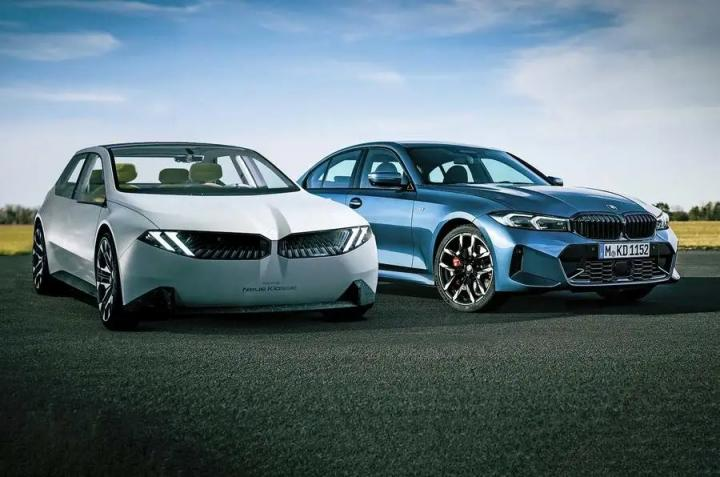
A Single Foundation for a Diverse Lineup
At the core of this strategy is a fundamental rethinking of how vehicles are engineered from the ground up. Rather than developing separate platforms for electric and conventional powertrains — an approach that significantly increases development costs and production complexity — BMW is opting for a unified architecture capable of accommodating battery electric drivetrains, traditional petrol and diesel engines, and potentially plug-in hybrid configurations as well.
This kind of platform flexibility has become increasingly important for automakers navigating an uncertain transition toward electrification. Regulatory timelines differ across markets, consumer adoption rates vary widely, and the charging infrastructure needed to support mass EV ownership is still maturing in many regions. A shared platform allows BMW to respond to those variables without committing entirely to one powertrain direction at the expense of another.
Engineering Complexity Behind the Simplicity
Designing a platform that works equally well for an electric vehicle and an internal combustion model is no simple task. Electric vehicles require large battery packs typically integrated into the floor, while ICE models need space for engines, fuel tanks, and exhaust systems. Reconciling these demands within a single architecture requires careful engineering trade-offs in structural layout, weight distribution, and component integration.
BMW’s engineering teams are expected to approach this challenge by creating a highly modular structure — one where key sections of the vehicle can be reconfigured depending on the powertrain installed. This modularity is not entirely new in the industry, but executing it at BMW’s level of performance and refinement represents a meaningful engineering achievement.
The platform is also expected to support next-generation driver assistance systems, advanced digital cabin architectures, and over-the-air software update capabilities — features that are increasingly considered baseline expectations among premium automotive buyers.
Strategic Implications for the Brand
From a business perspective, the shared platform approach offers BMW considerable advantages. Consolidating research, development, and manufacturing processes across a single architecture reduces overall costs and allows for greater economies of scale in component procurement. It also shortens the time required to bring new models to market, a critical advantage as competition in both the electric and conventional segments intensifies.
For dealers and consumers, the practical benefit is a more coherent product lineup that shares quality standards and technological features regardless of powertrain choice. A customer purchasing an electric BMW and another selecting a petrol-powered model should experience the same level of structural rigidity, interior sophistication, and digital integration.
Reading the Industry Shift
BMW’s decision also sends a clear signal about how the premium automotive segment is evolving. Several major manufacturers have experimented with dedicated EV platforms in recent years, only to announce reversals or delays as demand projections were adjusted. The flexible architecture model that BMW is now confirming suggests that a degree of powertrain agnosticism may prove more commercially resilient in the medium term than an all-in electric commitment.
This does not imply a retreat from electrification. BMW remains deeply invested in its electric future. Rather, it reflects a pragmatic acknowledgment that the road to that future is unlikely to be linear, and that retaining the ability to serve customers across multiple powertrain preferences is a sound long-term strategy.
Looking Ahead
As BMW prepares to roll out vehicles built on this next-generation platform, attention will turn to how well the architecture performs across different model types and market segments. The coming years will offer a genuine test of whether shared-platform flexibility can deliver on its engineering promise without compromising the driving dynamics and premium character that define the BMW experience.
What is already clear is that this decision places BMW at the forefront of a broader architectural conversation happening across the global automotive industry — one that will shape how vehicles are built, sold, and experienced for years to come.