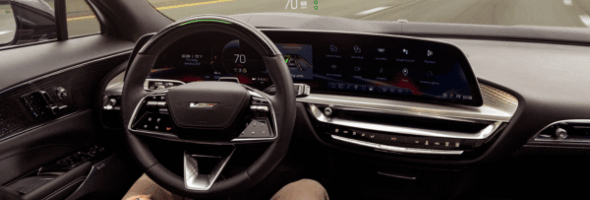
The modern vehicle cabin is evolving far beyond infotainment screens and voice commands. A growing number of automakers are now integrating biometric sensors directly into seats and steering wheels, enabling cars to read the driver’s physical and emotional state in real time. This quiet revolution in automotive design is redefining what it means for a vehicle to be truly intelligent.
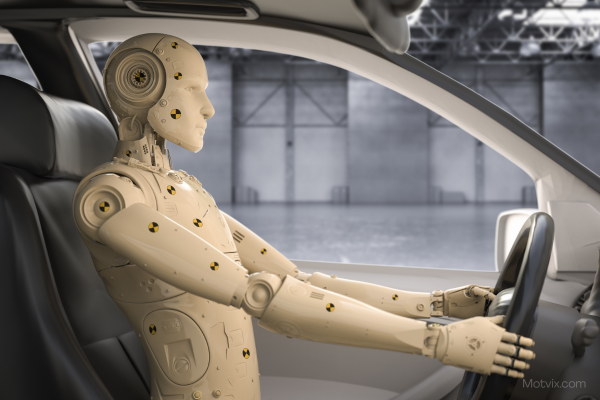
What Biometric Sensors in Vehicles Actually Do
Biometric sensors embedded in automotive components are designed to monitor a range of physiological signals without requiring the driver or passengers to wear any external device. When placed within the steering wheel or seat surface, these sensors can detect indicators such as heart rate, skin conductivity, grip pressure, and even subtle signs of fatigue or elevated stress levels.
The data collected does not simply disappear into a log file. Modern vehicle systems can act on this information in real time, adjusting cabin temperature, activating alerts, modifying seat position, or — in more advanced implementations — communicating with driver-assistance systems to increase caution levels when the driver appears impaired or distracted.
Why Automakers Are Investing in This Technology
Driver impairment remains one of the leading contributors to road accidents globally. Fatigue, in particular, is notoriously difficult to detect from the outside. Traditional driver monitoring systems rely on cameras and eye-tracking to assess alertness, but biometric sensing offers a deeper, physiological layer of awareness that optical systems alone cannot provide.
Beyond safety, there is a growing commercial appetite for what the industry is beginning to call the wellness-aware cabin. Automakers and technology suppliers recognize that consumers increasingly expect their vehicles to function as an extension of their personal health ecosystem — much like a smartwatch or fitness tracker, but integrated into the driving environment itself.
Premium and luxury vehicle segments are leading adoption, where personalization and advanced technology are already core selling points. However, as component costs decrease, the technology is expected to migrate into mainstream segments over the coming years.
The Engineering Challenge: Accuracy Without Intrusion
Embedding sensors into hard and soft surfaces without degrading their performance or the comfort of the vehicle presents significant engineering challenges. Seat materials, foam density, heating elements, and structural considerations all affect the reliability of biometric readings. Similarly, steering wheels must maintain their tactile quality while housing sensors capable of capturing clean physiological data through the hands.
Suppliers working alongside automakers are developing sensor arrays that can filter out noise from road vibrations, external temperature changes, and varying grip styles to deliver consistent, medically meaningful readings. Calibration to individual users — enabled through driver profiles — further improves accuracy over time.
Privacy and Data Governance: A Critical Conversation
The collection of biometric data inside a vehicle raises legitimate questions about privacy and consent. Unlike general vehicle telemetry, biometric information is deeply personal, and its handling demands clear regulatory frameworks and transparent user agreements.
Automakers developing these systems must address several key concerns:
- Who owns the biometric data collected during a journey?
- How is it stored, and for how long?
- Can it be shared with insurers, health providers, or third-party platforms?
- What opt-out mechanisms are available to drivers?
Regulatory bodies in several markets are already examining how existing data protection laws apply to in-vehicle biometrics. Automakers that proactively establish clear, user-friendly data governance policies are likely to build stronger consumer trust in this emerging category.
Looking Ahead: The Health-Connected Vehicle
The integration of biometric sensors into seats and steering wheels represents more than a safety feature — it signals a broader shift in the relationship between driver and vehicle. As these systems mature, they may eventually work in concert with external health platforms, emergency services, and even autonomous driving systems to create a genuinely responsive mobility experience.
For automakers, the challenge will be ensuring that this technology enhances the driving experience without making drivers feel surveilled. Transparency, user control, and meaningful functionality will ultimately determine whether biometric sensing becomes a trusted standard or a source of consumer hesitation.
What is clear is that the vehicle cabin is no longer just a space for transportation. Increasingly, it is becoming a space that listens — and responds.