Mercedes-Benz has taken a major step in its electric performance strategy by starting production of a new lightweight electric motor for future AMG models.
The new motor uses axial flux technology, a design known for being compact, light and efficient. For a performance brand like AMG, those qualities matter because electric sports cars must balance power, weight and heat management.
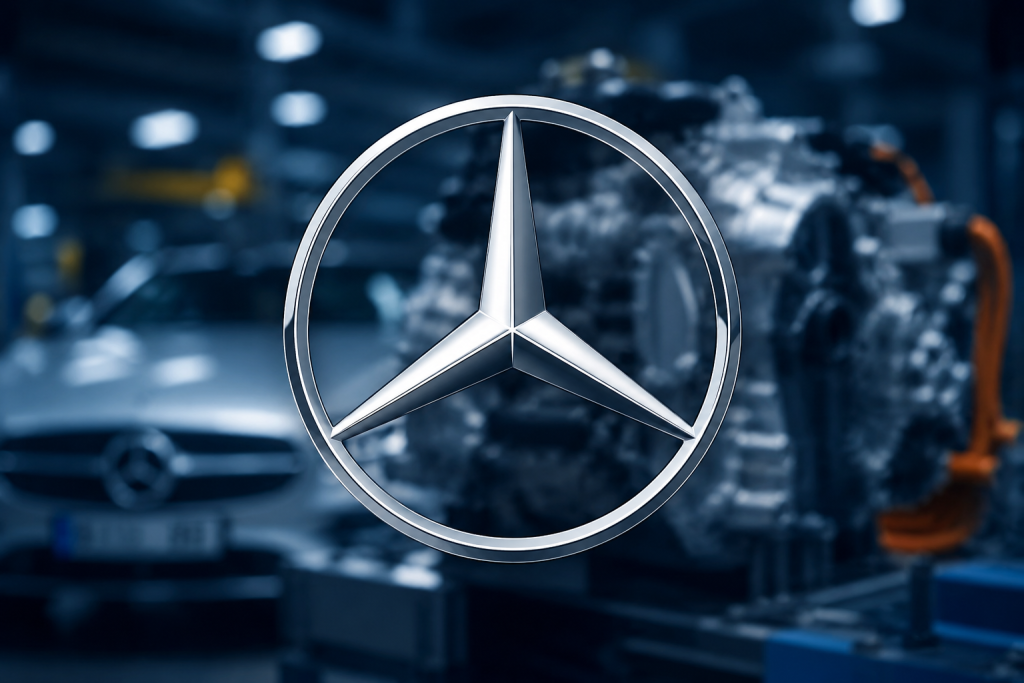
The motor will be produced at Mercedes’ Berlin-Marienfelde plant. This facility is now being used as a center for high-performance electric motor technology.
What Makes This Motor Different
Most electric vehicles use radial flux motors. Mercedes-AMG’s new motor uses an axial flux design, which is flatter and often described as having a “pancake” shape.
This type of motor can offer strong power density in a smaller package. In simple terms, it can deliver high output without taking up as much space or adding unnecessary weight.
That matters for performance cars. Heavy batteries already create a challenge for electric vehicles. So, reducing motor weight can help improve acceleration, handling and efficiency.
A Key Step for AMG’s Electric Future
The new motor is expected to debut in the upcoming Mercedes-AMG GT 4-door coupe.
That model will be important because it represents AMG’s effort to prove that electric performance can still feel exciting, aggressive and premium. AMG has built its reputation on powerful engines, sharp driving dynamics and emotional performance. Now, the brand must translate that identity into the electric era.
The move also shows how Mercedes is investing in specific technology for its performance division rather than simply adapting standard EV systems.
Why Mercedes Invested in Axial Flux Technology
Mercedes strengthened its position in this field after acquiring YASA, a British electric motor specialist, in 2021. YASA is known for axial flux motor technology, and that acquisition gave Mercedes access to expertise that can support future high-performance EVs.
This is important because electric performance is becoming more competitive. Brands such as Porsche, BMW, Audi, Tesla and several new EV manufacturers are all trying to define what the next generation of performance cars should feel like.
For Mercedes-AMG, the challenge is not only to make fast electric cars. The brand also has to make them feel special.
What This Could Mean for Drivers
For drivers, the new motor could help future AMG electric cars deliver stronger performance with better efficiency. It may also help Mercedes control weight more effectively, which is one of the biggest concerns in high-performance EV development.
Electric cars can accelerate extremely quickly, but performance driving also depends on braking, cornering, cooling and consistency. A lighter and more efficient motor can help in all of those areas.
AMG’s Next Chapter Is Taking Shape
The start of production does not mean Mercedes-AMG is leaving combustion engines behind overnight. However, it shows that the brand is preparing seriously for a future where electric models play a central role.
The new axial flux motor could become one of the most important technologies in AMG’s next generation of vehicles. If it delivers the expected benefits, Mercedes may have a stronger foundation for building electric performance cars that feel worthy of the AMG badge.