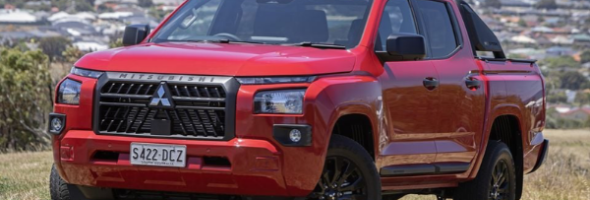
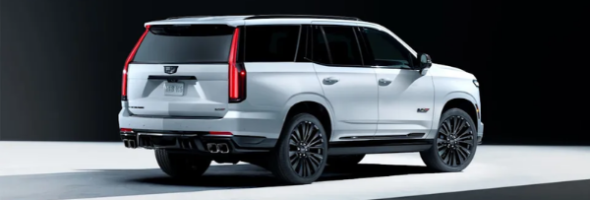
For years, the pickup truck market seemed to move in only one direction: bigger, heavier, and more powerful. Full-size trucks dominated dealership lots across North America and beyond, growing in length, height, and price with each new generation. But something has been quietly shifting. A renewed appetite for smaller, more practical, and more fuel-efficient trucks is reshaping the segment — and automakers are paying close attention.
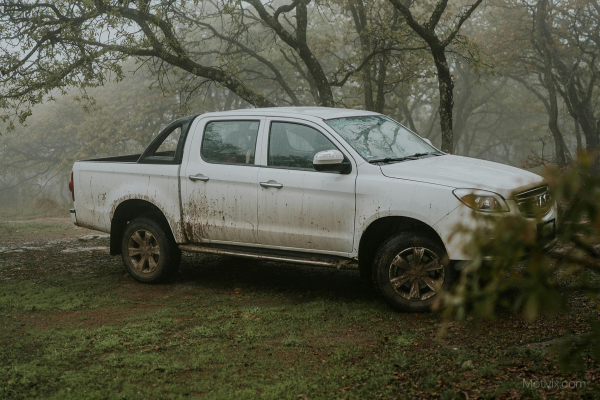
The compact pickup is no longer a relic of the past. It is becoming one of the most strategically important segments in the automotive industry, driven by changing consumer priorities, urban growth, and the accelerating transition toward electrification.
Why Compact Pickups Fell Out of Favor — and Why They’re Coming Back
The decline of the small truck was not accidental. For much of the early 2000s, manufacturers in the United States found it more profitable to discontinue compact models and push buyers toward full-size alternatives. Margins were higher, demand seemed strong, and the segment appeared sustainable indefinitely.
But consumer behavior evolves. Rising fuel costs, urban congestion, tighter parking infrastructure, and a new generation of buyers who want utility without excess have created fertile ground for a compact truck revival. Today’s buyers are not necessarily looking for a truck that can haul maximum payload at all times — they want a vehicle that fits their lifestyle, their garage, and their budget.
A New Blueprint for the Modern Compact Truck
The new generation of compact pickups is not simply a scaled-down version of its larger siblings. Engineers and designers are rethinking what a small truck should be from the ground up. Key priorities include:
- Efficiency over excess: Whether through turbocharged four-cylinder engines, hybrid powertrains, or fully electric platforms, the emphasis is on doing more with less.
- Urban-friendly dimensions: Shorter wheelbases and narrower body widths make these trucks genuinely manageable in city environments where a full-size pickup becomes a liability.
- Versatile cargo solutions: Innovative bed designs, integrated storage systems, and flexible cargo management tools are replacing raw bed size as the primary selling point.
- Modern cabin technology: Compact does not mean compromised. Advanced driver-assistance systems, large-format screens, and connected vehicle features are becoming standard expectations even in smaller trucks.
Electric and Hybrid Variants Are Central to the Strategy
Perhaps the most significant shift in this new compact truck era is the prominent role of electrification. Several manufacturers are developing or have already announced compact pickup platforms that prioritize electric or hybrid drivetrains from the outset rather than retrofitting them into existing architectures.
This matters because smaller trucks are naturally better suited to daily urban and suburban driving cycles — exactly the use cases where electric powertrains deliver their greatest efficiency advantages. Range anxiety, a persistent concern with larger electric trucks, becomes more manageable when a compact vehicle is primarily used for commuting, light hauling, and weekend adventures rather than long-haul towing.
A Broader and More Diverse Buyer Base
One of the most compelling arguments for the compact pickup’s resurgence is its appeal to a wider demographic. Full-size trucks, while enormously popular, remain intimidating or impractical for many potential buyers. The compact format lowers the barrier to entry — both financially and physically — opening the segment to younger drivers, urban professionals, outdoor enthusiasts, and buyers in markets where large vehicles are simply not viable.
International markets, in particular, have long embraced the compact truck in ways the North American market has not. As manufacturers look to build global platforms that work across multiple regions, the compact pickup becomes an increasingly attractive investment.
The Road Ahead
The compact pickup’s comeback is not a nostalgic trend or a temporary market curiosity. It reflects a deeper structural shift in what drivers need from their vehicles. As cities grow denser, fuel and energy costs remain a central concern, and consumer expectations around technology and sustainability continue to rise, the small truck is positioned not just to survive but to lead.
For an automotive industry searching for its next major growth chapter, the answer may have been hiding in plain sight all along — just at a more sensible size.