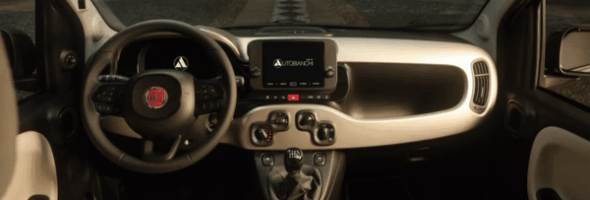
Walk into any modern dealership and you will notice something striking: the center console has changed dramatically. Rows of buttons, knobs, and tactile switches that once defined the driving environment have, in many models, been replaced by expansive touchscreens that dominate the dashboard. It looks clean. It looks futuristic. But is it better?
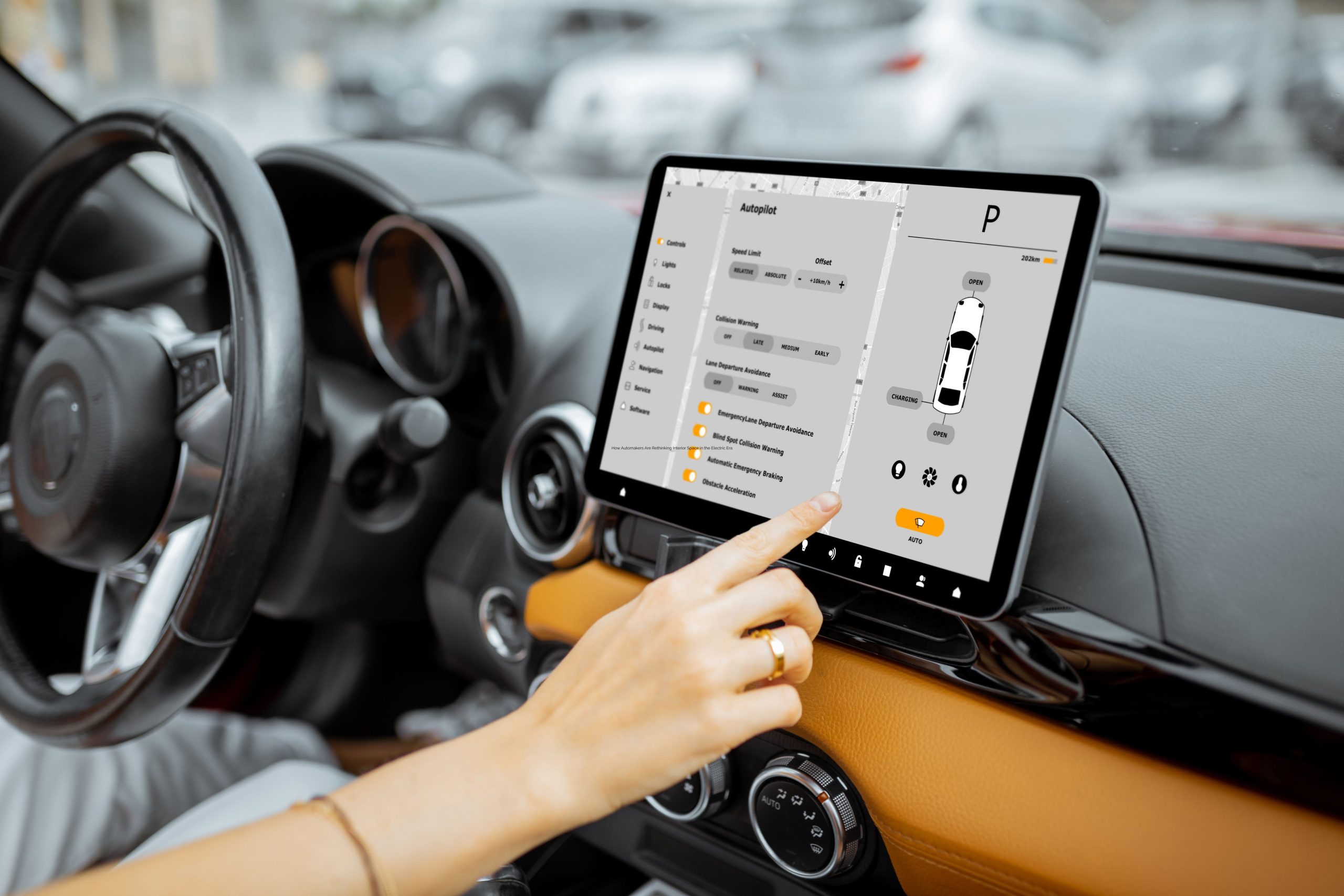
That question sits at the heart of one of the most persistent debates in contemporary automotive design — and it is far from settled.
The Case for Digital Screens
There is no denying the appeal of a large, high-resolution display as a central command hub. For automakers, screens offer a compelling set of advantages that go well beyond aesthetics.
- Flexibility: A single screen can host navigation, media, climate, vehicle settings, and over-the-air software updates — all without retooling the physical dashboard.
- Cost efficiency: Replacing dozens of individual components with one integrated unit can simplify manufacturing and reduce long-term production costs.
- Visual identity: A seamless screen surface projects a sense of modernity that resonates with a tech-forward consumer base and reinforces brand positioning.
For electric vehicles in particular, the screen-centric interior has become almost synonymous with innovation. It signals a break from combustion-era design language and aligns the cabin with the smartphones and connected devices that define everyday life.
The Case for Physical Controls
Yet a meaningful counter-argument has been building momentum among drivers, safety advocates, and even some designers who believe the pendulum has swung too far.
The core objection is tactile. Physical buttons, dials, and switches allow drivers to operate functions without taking their eyes off the road. Adjusting the volume, switching a fan setting, or activating the heated seat can be done by muscle memory alone when the control is a dedicated knob in a fixed position. On a touchscreen, that same action requires a glance, a tap, and often a swipe through a submenu.
Distraction is not just about hands — it is about cognitive load. Every second a driver spends searching for a function on a screen is a second their attention is divided.
Several automotive safety researchers and independent testing organizations have raised concerns about increased response times when core vehicle functions are buried within digital menus. The discussion has prompted some regulators to examine whether current in-car interface designs adequately prioritize driver attention.
What the Industry Is Actually Doing
Interestingly, the market is not moving uniformly in one direction. While some manufacturers continue to pursue minimalist, screen-heavy cabins, others are deliberately reintroducing physical controls — and making it part of their brand message.
Premium European brands have begun restoring dedicated volume knobs and climate toggles after feedback from owners who found all-touch interfaces frustrating in daily use. Some Japanese manufacturers have maintained a hybrid approach, combining a central display with clearly defined physical shortcuts for the most frequently used functions.
The growing popularity of this hybrid model suggests that the industry may be reaching a pragmatic consensus: screens excel at information display and customization, while physical controls remain superior for tactile, safety-critical interactions.
Design Philosophy Meets Human Behavior
Ultimately, this debate is less about technology and more about philosophy. Should the interior of a car be designed around what looks impressive, or around how people actually behave when they drive?
The most thoughtful automotive interiors tend to answer that question not by choosing one extreme, but by understanding context. A navigation map belongs on a screen. A climate fan speed probably does not need to be three menu levels deep.
As vehicle interiors continue to evolve alongside software-defined platforms and increasingly autonomous systems, the challenge for designers will be to resist the temptation of minimalism for its own sake — and to keep the driver’s experience genuinely central to every decision they make.
The debate between screens and switches is, in that sense, not really about controls at all. It is about trust — the trust a driver places in the machine, and the responsibility designers carry in return.