The mid-size SUV segment has long been one of the most fiercely contested battlegrounds in the automotive industry, and it shows no signs of cooling down. In a development that is drawing significant attention across the market, three new models are arriving in showrooms at virtually the same time — a rare convergence that promises to intensify competition and offer consumers an unprecedented level of choice at a critical price point.
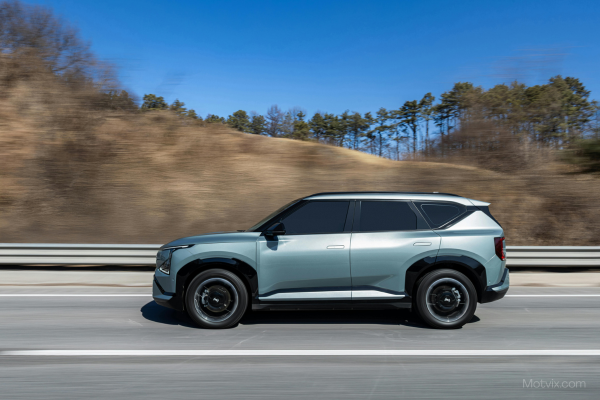
For automakers, timing is everything. Launching a vehicle into an already saturated segment is a calculated risk under normal circumstances. Doing so alongside two other major competitors elevates the stakes considerably, forcing each manufacturer to sharpen its value proposition, differentiate its design language, and deliver on technology in ways that genuinely matter to buyers.
Why the Mid-Size SUV Market Matters So Much
The mid-size SUV category occupies a uniquely important position in the global automotive landscape. It sits at the intersection of practicality and aspiration — offering families the space and versatility they need while delivering enough refinement and technology to satisfy drivers who still care about the quality of the driving experience.
Sales figures in this segment have consistently outperformed most other categories over the past several years, making it a strategic priority for virtually every major automaker. When one manufacturer scores a hit here, the ripple effects are felt industry-wide. The simultaneous arrival of three new entrants signals that multiple brands have reached similar conclusions about market timing — and all are betting heavily that now is the right moment to strike.
Design and Technology at the Forefront
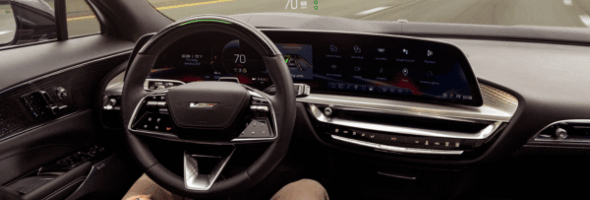
What distinguishes this latest wave of mid-size SUVs from previous generations is a shared emphasis on interior experience and connected technology. Across the segment, automakers are investing deeply in large-format touchscreens, over-the-air software update capability, and sophisticated driver-assistance systems that were once reserved for luxury vehicles.
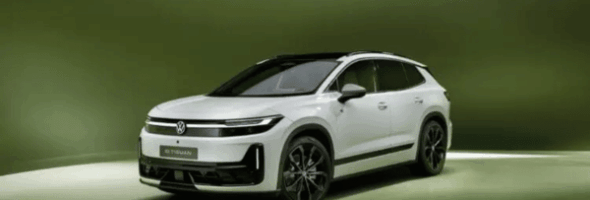
Exterior design is also being treated as a primary competitive lever. Manufacturers are moving away from conservative styling in favor of more assertive, expressive silhouettes — a response to consumer research suggesting that visual identity plays a growing role in purchase decisions, particularly among younger buyers entering the segment for the first time.
Cabin materials, ambient lighting, and configurable storage are receiving more engineering attention than ever before, reflecting a broader industry understanding that the interior has become the primary arena of differentiation in a segment where powertrains and chassis dynamics have grown increasingly similar.
Electrification Enters the Conversation
It would be impossible to discuss a new wave of mid-size SUVs without addressing electrification. At least some of the arriving models are expected to offer hybrid or plug-in hybrid variants, and the pressure to include fully electric options is growing stronger with each product cycle. For consumers, this represents a genuine expansion of choice. For automakers, it introduces complexity in production planning, pricing strategy, and dealer readiness.
The question is no longer whether electrification belongs in the mid-size SUV segment — it clearly does — but rather how aggressively each manufacturer will pursue it relative to its traditional internal combustion lineup.
What This Means for Buyers
For consumers, a simultaneous launch of competing models is, broadly speaking, good news. It creates natural market pressure that tends to sharpen pricing, improve standard equipment levels, and accelerate the rollout of features that might otherwise remain optional upgrades for years.
Buyers entering the market in the near term will have the rare opportunity to cross-shop genuinely fresh alternatives rather than choosing between an updated incumbent and a recently refreshed rival. That dynamic rarely lasts long — market positions solidify quickly once early sales data begins to influence inventory and incentive decisions.
A Defining Moment for the Segment
The mid-size SUV segment has survived decades of shifting consumer preferences, economic cycles, and technological disruption precisely because it adapts. This latest competitive moment is no different. Three new models arriving simultaneously is not a sign of market fragility — it is a sign of a segment that remains healthy enough to attract serious investment from multiple directions at once.
How each model performs in its opening months will reveal a great deal about where consumer priorities truly stand in an era defined by rapid change, rising expectations, and an automotive industry in the middle of one of its most significant transformations in history.