Walk through any parking lot today and a pattern emerges almost immediately: a sea of white, gray, silver, and black vehicles stretches in every direction. The dominance of achromatic tones in modern automotive design is not accidental. It is, in many ways, a direct reflection of the cultural and psychological moment we inhabit — one defined by uncertainty, minimalism, and a quiet desire for timelessness over trend.
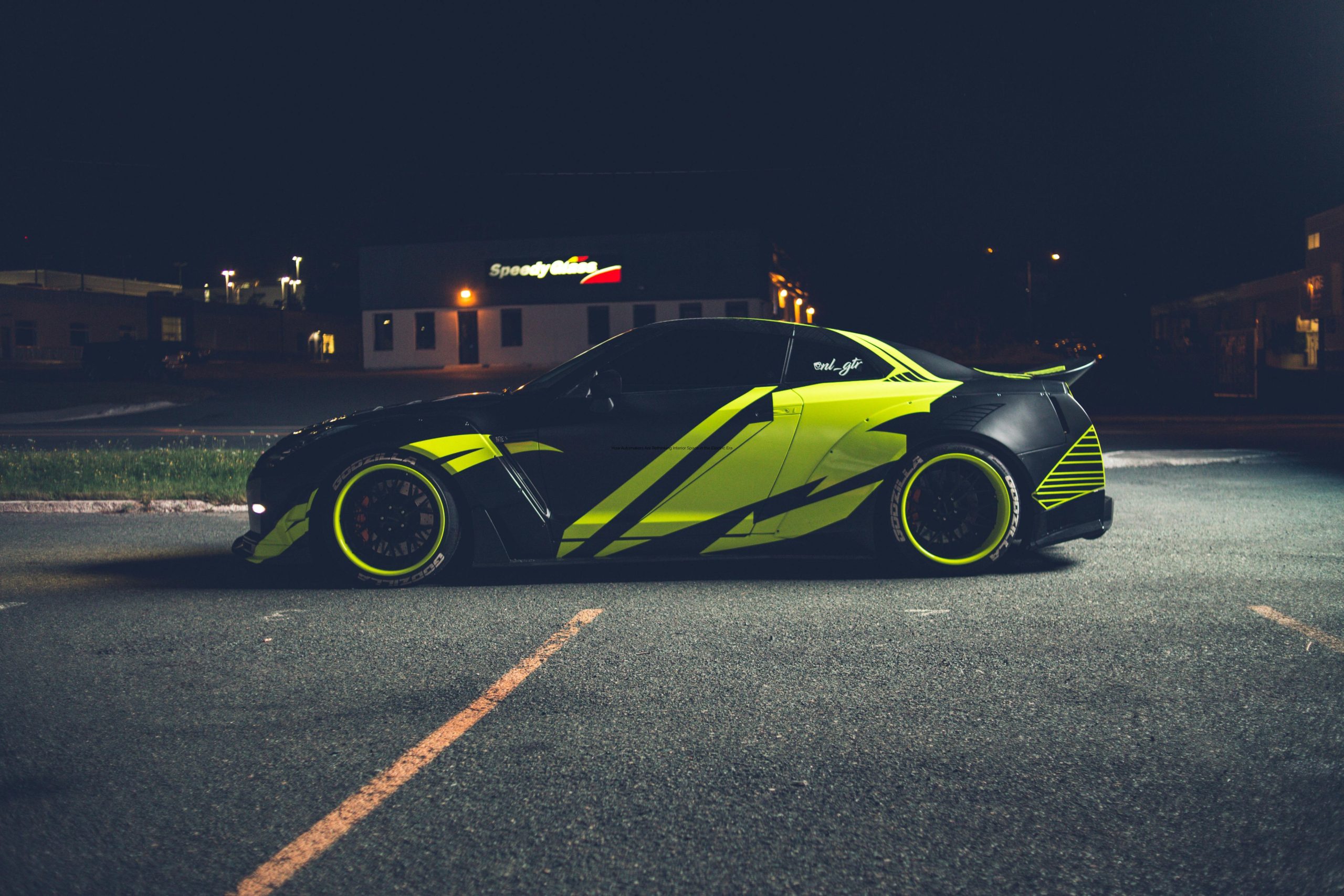
Color has always been one of the most immediate expressions of identity, and nowhere is that more visible than in the cars we drive. Understanding why automakers choose specific palettes in any given era means understanding the society those vehicles are designed for.
The Language of Neutral Tones
The global shift toward neutral and muted colors in vehicles over the past two decades tracks closely with broader aesthetic movements in architecture, fashion, and interior design. The rise of minimalism as a cultural value — simplicity, restraint, and functionality — has pushed consumers toward colors that feel sophisticated without demanding attention.
White, in particular, has become the world’s most popular vehicle color for a reason that goes beyond mere aesthetics. It reads as clean, modern, and technologically advanced — qualities that resonate deeply in an era shaped by digital culture and the growing presence of technology in everyday life. It is no coincidence that many of the most iconic consumer tech products of recent decades have leaned heavily on white as a signature color.
Gray and silver carry a similar message. They suggest precision, engineering, and understated confidence. In a period when conspicuous consumption has faced cultural scrutiny, these tones offer a kind of visual discretion that many buyers find appealing.
When Bold Color Makes a Comeback
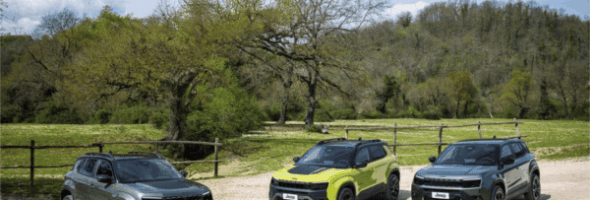
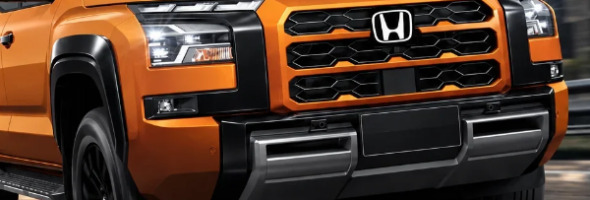
Yet neutrals do not tell the entire story. Periodically, and often in response to extended periods of cultural tension or collective fatigue, bold and expressive colors surge back into automotive design. Vibrant blues, rich greens, warm terracottas, and even striking yellows begin appearing in manufacturer palettes — not as niche offerings, but as genuine design statements.
This phenomenon mirrors a pattern observed repeatedly in consumer behavior research: after prolonged periods of anxiety or uniformity, people seek color as a form of optimism and self-expression. The automotive industry, acutely sensitive to consumer sentiment, responds accordingly.
Electric vehicles have played a particularly interesting role in this dynamic. As a new category seeking to establish its own visual identity — distinct from conventional combustion vehicles — many EV manufacturers have deliberately embraced unconventional colors and two-tone finishes. The message is intentional: this is something different, and it looks different too.
Sustainability and the Rise of Earthy Palettes
One of the most telling recent developments in automotive color trends is the emergence of earthy, nature-inspired tones. Warm beiges, mossy greens, dusty olives, and terracotta hues have moved from concept cars to production models across multiple segments.
This shift is inseparable from the growing cultural conversation around sustainability and environmental responsibility. Colors drawn from the natural world carry an implicit message of harmony and ecological awareness — qualities that resonate strongly with a growing segment of buyers who see their vehicle choices as value statements as much as practical decisions.
Automakers are conscious of this symbolism. Integrating earthy palettes into a lineup is not merely a design decision; it is a form of brand storytelling that aligns a vehicle’s visual identity with the values its target audience holds.
Color as Cultural Barometer
What makes automotive color trends particularly fascinating as a cultural indicator is their scale. A palette decision made in a design studio affects hundreds of thousands of vehicles produced over several years. The choice is deliberate, research-intensive, and deeply informed by sociological observation.
In this sense, the color of a car is never truly just a color. It is a snapshot of collective mood, a response to shared anxieties and aspirations, and a reflection of the values a society is either embracing or retreating from at any given moment.
As the automotive industry continues its transformation — driven by electrification, software integration, and shifting ownership models — color will remain one of its most immediate and expressive tools. The palette of the roads ahead will have much to tell us about who we are becoming.