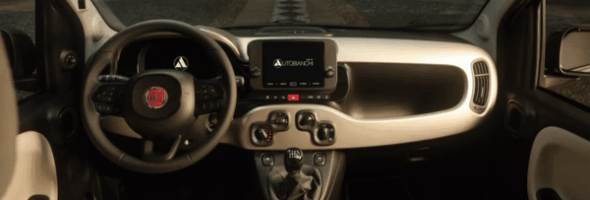
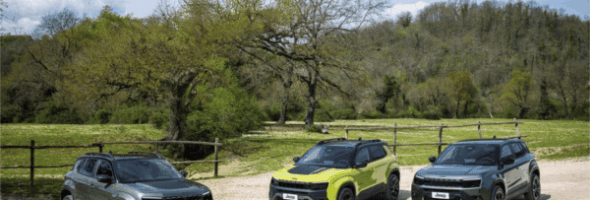
Walk into any modern showroom today and one thing becomes immediately clear: the cluttered, button-heavy dashboards of decades past are disappearing fast. In their place, automakers are embracing clean surfaces, expansive screens, and a design philosophy rooted in simplicity. The minimalist dashboard is no longer a niche aesthetic choice — it has become one of the defining trends of contemporary automotive design.
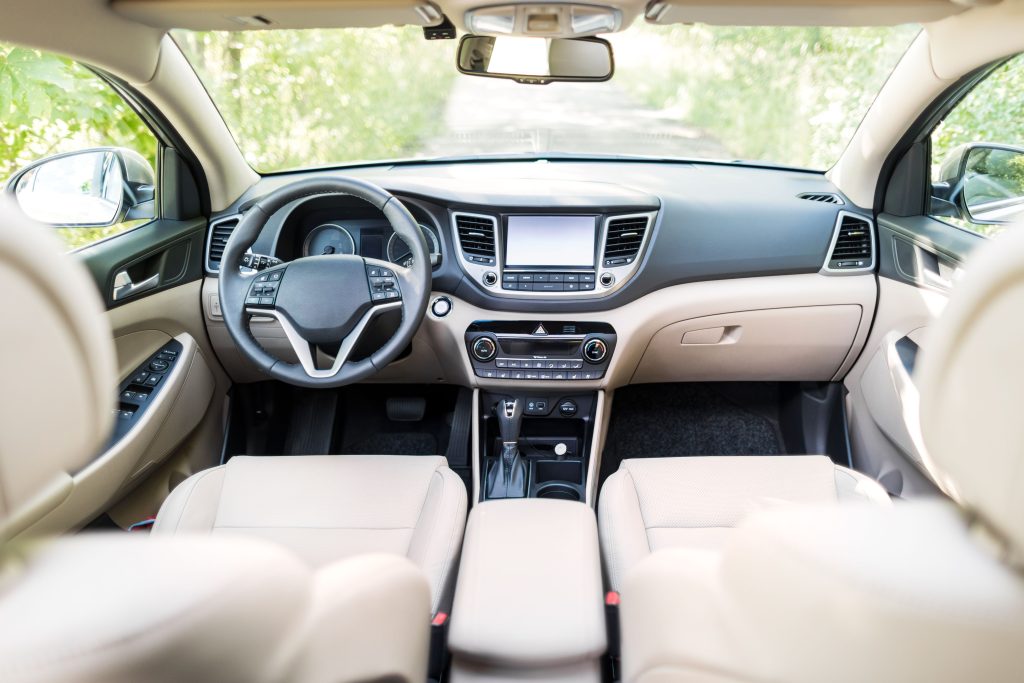
The Shift Away from Complexity
For much of automotive history, a dashboard packed with physical controls was seen as a sign of sophistication. Rows of switches, knobs, and dedicated buttons gave drivers a sense of control and mechanical directness. But as vehicles became increasingly software-driven, that logic began to unravel.
Modern cars can perform dozens of functions that simply did not exist a generation ago — adjusting ambient lighting, managing over-the-air software updates, customizing driving modes, and integrating seamlessly with smartphones. Trying to assign a physical button to each of these functions would result in an overwhelming and visually chaotic interior. The minimalist approach solves this problem by consolidating controls into touchscreens and voice-activated systems, freeing the physical dashboard to breathe.
Screens as the New Dashboard Language
Central to the minimalist trend is the rise of large, high-resolution touchscreens. What was once considered a luxury feature has now migrated across vehicle segments, from premium electric sedans to mainstream crossovers. These screens serve as the primary interface for navigation, climate control, entertainment, and vehicle settings — functions that previously demanded separate controls.
The appeal is not purely visual. From an engineering standpoint, consolidating controls into a software interface allows manufacturers to update functionality remotely, reduce the number of physical components, and lower long-term maintenance complexity. For designers, the result is an interior that feels more like a living space and less like a cockpit.
The Influence of Electric Vehicles
Electric vehicles have played a pivotal role in accelerating this aesthetic shift. Without a traditional combustion engine to dictate packaging constraints, EV designers have had more freedom to reimagine the cabin from the ground up. This creative latitude, combined with the brand identity strategies of newer automotive players, pushed minimalism to the forefront of cabin design.
Established automakers have taken notice. Across the industry, legacy brands are redesigning their interiors to reflect a cleaner, more intentional look — one that signals technological advancement and emotional restraint at the same time.
Criticism and the Usability Debate
The minimalist movement is not without its critics. A recurring concern among drivers and automotive journalists is that hiding too many functions behind touchscreen menus can compromise safety and usability while driving. Adjusting the temperature or changing a radio station — tasks that once required a simple physical gesture — can now demand multiple screen interactions.
Some manufacturers have responded to this feedback by striking a middle ground: retaining physical controls for the most frequently used functions while delegating secondary features to the screen. This hybrid approach attempts to preserve the clean aesthetic while acknowledging that convenience and safety cannot be sacrificed entirely in the name of design purity.
What Minimalism Communicates About a Brand
Beyond functionality, the minimalist dashboard has become a powerful branding tool. A clean, uncluttered interior communicates confidence — a suggestion that the technology is so advanced it no longer needs to shout. For many buyers, particularly those in the premium and luxury segments, this restraint reads as sophistication.
It also aligns with broader cultural shifts. Consumers increasingly accustomed to the clean interfaces of smartphones and digital services are arriving at dealerships with similar expectations for their vehicles. The car interior is now part of the same design conversation as consumer electronics.
Looking Ahead
As software continues to define the vehicle experience, minimalist interiors are likely to grow more refined rather than reverse course. Augmented reality displays, voice AI, and haptic feedback surfaces may eventually reduce even further the need for traditional controls. The dashboard of the future may be almost invisible — until you need it.
For the automotive industry, minimalism is not simply a passing trend. It reflects a fundamental rethinking of what a car interior is for, and who gets to define it.