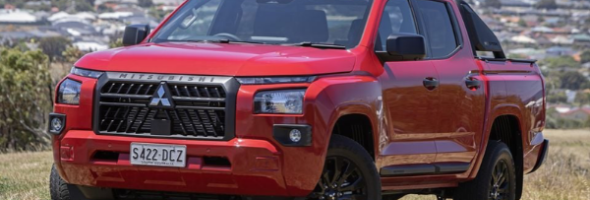
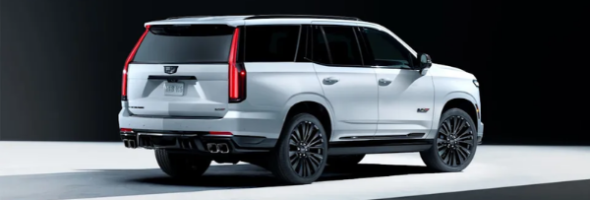
Every major electric pickup truck debut follows a familiar script. There are dramatic reveals under carefully arranged lighting, range figures quoted under ideal conditions, and towing capacities that sound almost too good to be true. Manufacturers have invested enormous resources in making these moments feel transformative — and in many ways, they genuinely are. But once the dust settles and these vehicles reach actual owners, a more complex story begins to emerge.
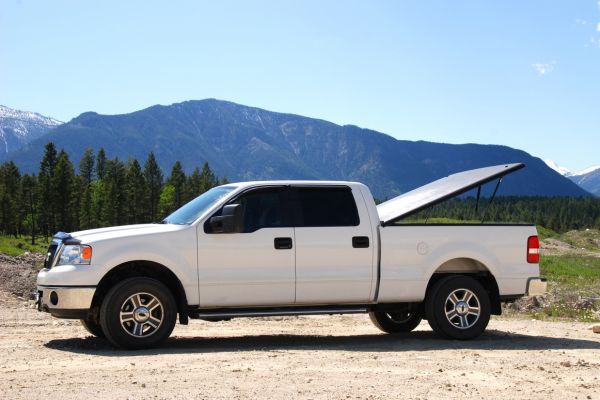
Electric pickup trucks represent one of the most ambitious undertakings in modern automotive history. Combining the raw utility expectations of a traditional truck with the technological demands of a battery-electric platform is no small challenge. The results, while impressive in several respects, also reveal where the industry still has meaningful ground to cover.
Towing, Range, and the Numbers That Change
Range anxiety is a familiar concept in electric vehicle conversations, but it takes on an entirely different dimension when you attach a trailer to a battery-powered truck. Real-world towing scenarios can reduce advertised range figures significantly — a dynamic that catches many new owners off guard after purchasing based on headline specifications.
This is not a flaw unique to electric trucks; conventional internal combustion pickups also see fuel economy drop when loaded or towing. The difference lies in how dramatically the change can feel when your refueling option requires planning around charging infrastructure rather than pulling into any roadside gas station. For truck buyers who depend on their vehicles for professional or semi-professional hauling, this operational reality demands honest consideration before committing to a purchase.
Charging Infrastructure: The Unfinished Part of the Story
Electric pickup trucks are physically larger than most passenger EVs, which creates its own set of logistical complications at charging stations. Many fast-charging sites were designed with sedans and compact crossovers in mind. A full-size truck with an extended bed can occupy space in ways that make simultaneous charging awkward or simply impractical at smaller installations.
The broader charging network continues to expand, and dedicated truck-friendly fast-charging corridors have begun to appear in some markets. But for buyers in rural areas or regions where infrastructure remains sparse, this is still a genuine limitation rather than a solved problem.
Where Electric Trucks Genuinely Excel
It would be misleading to frame this conversation as purely critical. Electric pickup trucks offer real and compelling advantages that deserve equal attention.
- Instant torque delivery makes them exceptionally capable off the line and in demanding low-speed work scenarios.
- Lower operating costs over time can offset higher purchase prices for buyers with predictable, high-mileage use patterns.
- Vehicle-to-load (V2L) and vehicle-to-home (V2H) capabilities transform the truck into a mobile power station — a genuinely useful feature for worksites, outdoor activities, or emergency preparedness.
- Reduced mechanical complexity means fewer components subject to wear, which has the potential to lower long-term maintenance demands.
For the right buyer — one whose daily use aligns with the technology’s current strengths — an electric pickup truck can be an excellent choice today, not merely a future aspiration.
Managing Expectations Without Dismissing Progress
The electric pickup truck segment is evolving rapidly. Battery energy density continues to improve, charging speeds are increasing, and manufacturers are learning from early-adopter feedback in ways that shape subsequent model updates. The gap between launch-day promises and lived experience is narrowing with each generation.
What the industry owes consumers, however, is transparency. Specifications presented under controlled conditions should be accompanied by honest context about real-world variability. Buyers who understand the genuine trade-offs are better positioned to make decisions they will stand behind over years of ownership.
A Segment Still Writing Its Own Story
Electric pickup trucks are not a finished product category — they are a category mid-transformation. The debuts that generate headlines today are meaningful markers in a longer journey. The promises made at those events are worth examining carefully, not to undermine them, but to hold the industry accountable to the standards that real drivers deserve.
As more of these vehicles accumulate miles in diverse conditions, the data will speak with increasing clarity. That clarity, more than any launch event, will ultimately define what the electric pickup truck era means for drivers worldwide.