Every year, the automotive world builds toward a series of moments that capture the attention of buyers, enthusiasts, and industry analysts in equal measure. New model arrivals represent more than just fresh sheet metal — they signal where manufacturers are placing their bets, how consumer preferences are shifting, and what the near future of driving may look like. This year is no exception, with a lineup of highly anticipated vehicles preparing to move from motor show stages to dealership floors.
A Market Shaped by Electrification and Reinvention
The broader context cannot be ignored. The global automotive industry continues its steady pivot toward electrified powertrains, and many of the most eagerly awaited models of the year reflect this direction. Manufacturers are no longer treating electric vehicles as a niche experiment — they are positioning them as mainstream flagship products designed to appeal to a wide range of buyers.
At the same time, several traditional combustion-engine nameplates are undergoing significant redesigns, with automakers investing heavily in updated interiors, more sophisticated driver-assistance systems, and refined aesthetics that meet the expectations of a more discerning consumer base.
SUVs Continue to Lead Consumer Demand
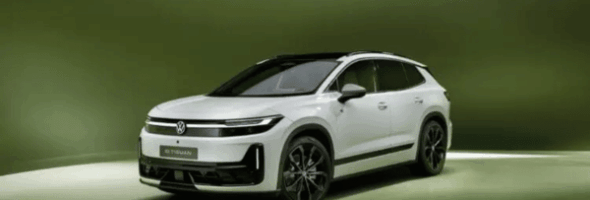
It should come as no surprise that a significant portion of the most anticipated arrivals falls within the SUV segment. Demand for elevated ride height, versatile cargo space, and commanding road presence has remained consistently strong across major markets. Both premium and mainstream brands are responding with new entries that promise improved efficiency, smarter cabin technology, and stronger value propositions than their predecessors.
Several of these vehicles are also arriving with fully electric variants offered alongside conventional options, giving buyers a choice without forcing an immediate transition. This dual-pathway approach has become a common and effective strategy for manufacturers navigating a market still in the middle of a technological shift.
Sedans and Coupes Making a Quiet Comeback
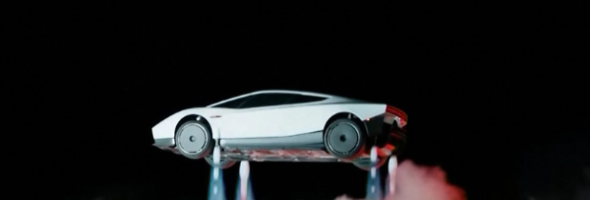
While SUVs dominate headlines, a quieter but meaningful trend is also taking shape: the return of well-crafted sedans and sporty coupes aimed at buyers who prioritize driving dynamics over utility. Some manufacturers are banking on nostalgia, reviving beloved nameplates with modern underpinnings. Others are introducing entirely new propositions that challenge the assumption that four doors and a low roofline are no longer commercially viable.
These models tend to attract a loyal and vocal audience, and their launches often carry a disproportionate amount of cultural weight within automotive communities — even when sales volumes remain modest by comparison.
Technology as the New Differentiator
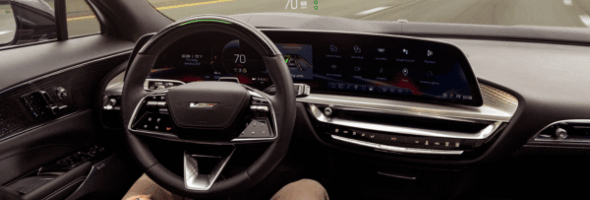
Across every segment, one theme emerges consistently among the year’s most anticipated models: technology is now a primary purchase driver, not a secondary consideration. Buyers are evaluating vehicles based on the sophistication of their infotainment systems, the quality of their driver-assistance features, the intuitiveness of their software interfaces, and even the frequency of over-the-air updates.
Automakers that can demonstrate a seamless, thoughtfully integrated digital experience alongside strong mechanical fundamentals are the ones generating the most genuine consumer excitement ahead of their showroom debuts.
What to Watch as the Year Unfolds
For buyers actively considering a new vehicle, this is a worthwhile moment to monitor the market carefully rather than rushing into a purchase. Waiting for a highly anticipated model to arrive — and then taking the time to evaluate it against established alternatives — often leads to more informed and satisfying decisions.
For the industry, each launch represents a data point in an ongoing story about where automotive culture is headed. The models that succeed this year will shape product strategies for years to come, reinforcing or challenging assumptions about what drivers truly want when they walk through a showroom door.
The anticipation, in that sense, is entirely justified.