For decades, cars were mostly judged by their engines, design, comfort, fuel economy and reliability. Today, those things still matter, but a new factor is changing the automotive industry: software.
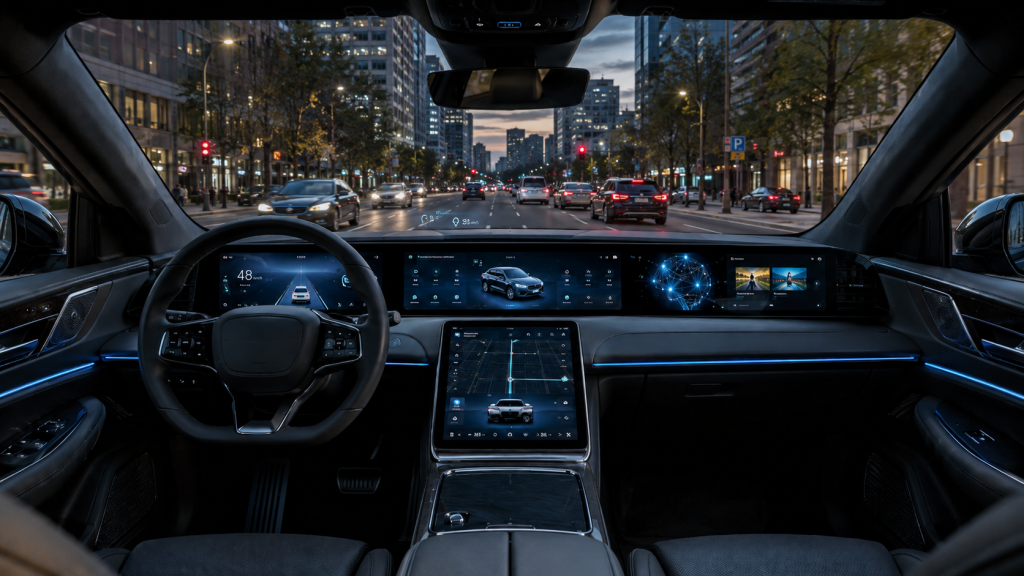
Modern vehicles are becoming more connected, more intelligent and more capable of improving after they leave the dealership. This new generation of cars is known as software-defined vehicles, or SDVs.
A software-defined vehicle is a car where many functions are controlled, improved or expanded through software. Instead of being limited to the features it had when it was built, the vehicle can receive updates, unlock new tools and improve performance over time.
That is why many experts describe these vehicles as “smartphones on wheels.” Just like a phone can receive new apps, security updates and interface improvements, a modern car can also evolve through digital systems.
What Is a Software-Defined Vehicle?
A software-defined vehicle is not just a car with a big touchscreen. It is a vehicle designed around digital architecture.
In traditional cars, many systems worked separately. The engine, brakes, infotainment, climate control and safety features often relied on different electronic control units. In a software-defined vehicle, more of these systems are connected through a centralized digital platform.
This allows the carmaker to manage features in a more flexible way. For example, the company can improve the infotainment system, update driver-assistance tools, fix bugs, optimize battery performance or add new connected services through over-the-air updates.
This is one of the biggest differences between older cars and modern smart vehicles. A traditional car often stays almost the same during its lifetime. A software-defined vehicle can keep changing.
Over-the-Air Updates Are a Big Part of the Trend
One of the clearest examples of this shift is the rise of over-the-air updates, also known as OTA updates.
OTA updates allow automakers to send software improvements directly to the vehicle without requiring a visit to a dealership. These updates can improve navigation, entertainment, safety systems, charging behavior, digital displays and even driving performance.
For electric vehicles, OTA updates can be especially useful. Automakers can adjust battery management, charging speeds, energy efficiency and range estimates. For connected vehicles, updates can also improve apps, voice assistants and digital services.
This creates a different relationship between the driver and the car. The vehicle is no longer just a product purchased once. It becomes a platform that can keep receiving improvements.
Why Automakers Are Moving Toward SDVs
Automakers are investing heavily in software-defined vehicles because the business model of the car industry is changing.
In the past, most revenue came from selling the vehicle itself. In the future, car companies may also generate revenue from digital services, subscriptions, connected features and premium software packages.
This could include advanced navigation, driver-assistance functions, entertainment services, performance upgrades, parking assistance, remote vehicle control and personalized driving profiles.
For brands, this means software can create long-term value after the car is sold. For drivers, it could mean more convenience, more personalization and better technology.
However, this also brings a debate. Some customers like the idea of paying for useful digital features. Others dislike the possibility of automakers locking hardware features behind monthly subscriptions.
Cars Are Becoming More Connected
Software-defined vehicles depend heavily on connectivity. Many new cars are connected to the internet, mobile apps, cloud platforms and digital ecosystems.
This allows drivers to check battery level, locate the vehicle, lock or unlock doors, start climate control and receive alerts from a smartphone. In some models, the car can also communicate with charging stations, service centers and navigation systems.
Connected services can make daily driving easier. A car could recommend the best charging stop, warn about maintenance needs, update maps automatically or adjust settings based on the driver’s habits.
In the future, connected vehicles may also communicate with roads, traffic lights and other cars. This technology could help reduce accidents, improve traffic flow and make autonomous driving systems more reliable.
AI Will Make Software-Defined Vehicles Even Smarter
Artificial intelligence is becoming another major part of the SDV trend.
AI can help vehicles understand driver behavior, predict maintenance problems, improve route planning and power advanced safety features. Inside the cabin, AI could make voice assistants more natural and useful.
Instead of giving simple commands, drivers may be able to speak to their cars more naturally. For example, they could ask the vehicle to find a faster route, adjust the temperature, recommend a charging stop or explain a warning light.
AI could also help personalize the driving experience. The car may learn preferred seat positions, climate settings, music choices and driving modes.
This could make future vehicles feel less like machines and more like intelligent digital companions.
Safety Technology Is Also Becoming Software-Driven
Modern safety systems are increasingly connected to software. Features like adaptive cruise control, lane keeping assist, automatic emergency braking, blind-spot monitoring and parking assistance depend on cameras, radar, sensors and powerful software.
As these systems become more advanced, software updates could improve how the car detects objects, reacts to traffic or assists the driver.
This does not mean cars are fully autonomous yet. Many vehicles still require full driver attention, even when they offer advanced assistance. But software-defined platforms can help automakers improve safety features more quickly than before.
The future of safety will not only depend on stronger materials or better brakes. It will also depend on smarter software.
The Challenges: Cybersecurity, Cost and Complexity
The rise of software-defined vehicles also creates new challenges.
Cybersecurity is one of the biggest concerns. If a car becomes more connected, it also becomes more exposed to digital threats. Automakers must protect vehicle systems, driver data, mobile apps and cloud connections.
Software quality is another challenge. A car is not a phone. If a smartphone app crashes, it is annoying. If vehicle software fails, it could affect safety. That means automakers need extremely reliable testing, strict security standards and fast response systems.
Cost is also important. Developing advanced software platforms is expensive. Traditional automakers must compete not only with other car brands but also with tech companies, chipmakers and software specialists.
There is also the issue of user experience. Drivers want smart technology, but they do not want confusing menus, distracting screens or features that are too complicated to use.
Are Software-Defined Vehicles Good for Drivers?
For many drivers, the answer could be yes.
Software-defined vehicles can offer better convenience, smarter features and a car that improves over time. OTA updates can fix issues faster, connected apps can simplify daily use and AI can make the vehicle feel more personalized.
However, drivers should also pay attention to privacy, subscription costs and software reliability. A smarter car should still be easy to use, safe and transparent about how data is collected.
The best software-defined vehicles will be the ones that make driving simpler, not more complicated.