Battery-electric vehicles have become the main symbol of the clean car revolution. From Tesla and BYD to Hyundai, Ford, Volkswagen and BMW, most automakers are pushing electric cars as the future of daily driving. But there is another technology that refuses to disappear: hydrogen fuel cell vehicles.
Hydrogen cars, also known as fuel cell electric vehicles, use hydrogen gas to generate electricity onboard. Instead of charging a large battery from a plug, the vehicle stores hydrogen in high-pressure tanks. The fuel cell then combines hydrogen with oxygen to produce electricity, powering an electric motor. The only tailpipe emission is water vapor.
Why Automakers Still Believe in Hydrogen
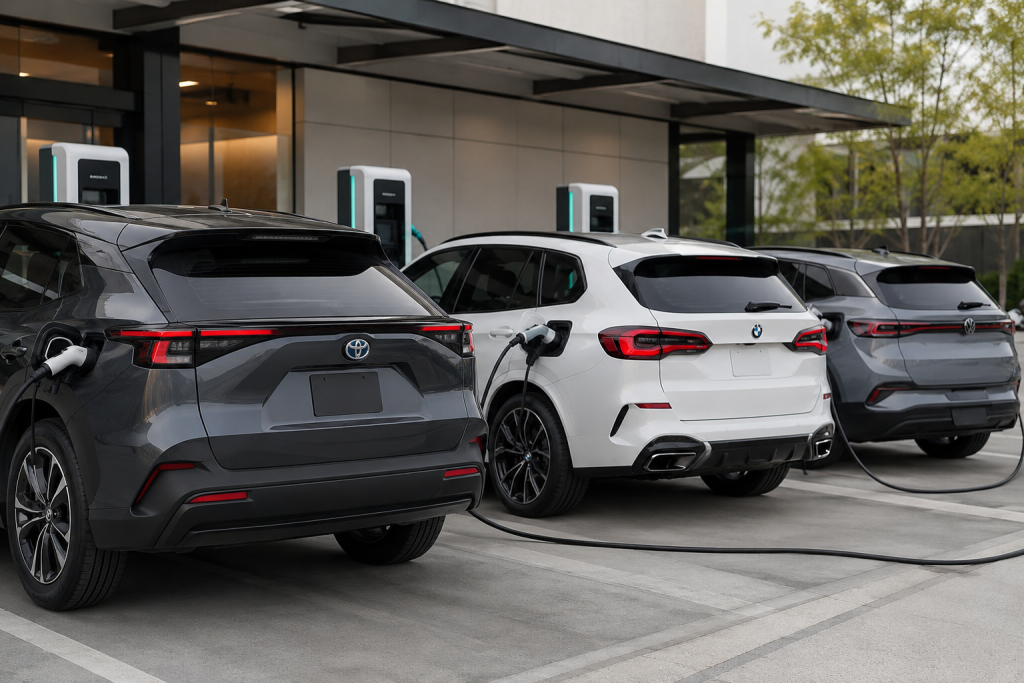
Toyota has been one of the strongest supporters of hydrogen mobility. The Toyota Mirai is one of the best-known hydrogen-powered cars on the market, showing that fuel cell technology can work in a real passenger vehicle. Hyundai has also continued developing the Nexo, a hydrogen SUV designed for drivers who want zero-emission mobility with quick refueling.
BMW is now becoming one of the most important names in the conversation. The German automaker has been testing hydrogen technology through the BMW iX5 Hydrogen and is working closely with Toyota on next-generation fuel cell systems. This partnership matters because it brings together Toyota’s long experience with hydrogen and BMW’s premium engineering, manufacturing and global brand strength.
For BMW, hydrogen is not necessarily a replacement for battery-electric vehicles. Instead, it is part of a broader strategy. The company wants to offer different zero-emission options depending on the market, customer needs and infrastructure. In other words, BMW sees hydrogen as another path toward cleaner mobility, especially for drivers who need long range and fast refueling.
This “multi-technology” approach is also attractive because not every region is moving toward electrification at the same speed. Some countries are building charging networks quickly, while others may find hydrogen more useful for commercial transport, fleets or long-distance travel.
The Biggest Advantages of Hydrogen Cars
The strongest advantage of hydrogen cars is refueling time. While battery EVs can take longer to recharge, even with fast chargers, a hydrogen car can be filled in a few minutes. This makes the experience closer to refueling a gasoline or diesel car.
Another benefit is driving range. Hydrogen vehicles can offer competitive range without relying on extremely large battery packs. This could be useful for larger SUVs, commercial vehicles, taxis and long-distance drivers.
Hydrogen cars also perform well in cold weather compared with some battery-electric vehicles, where range can be affected by low temperatures. For certain climates and use cases, fuel cells may offer a practical advantage.
There is also the question of weight. Heavy-duty vehicles such as trucks, buses and vans may benefit from hydrogen because very large batteries can add significant weight. That is why many experts believe hydrogen may have a stronger future in commercial transport than in everyday passenger cars.
The Challenges Are Still Huge
Despite the promise, hydrogen cars face serious obstacles. The biggest one is infrastructure. In many countries, hydrogen refueling stations are extremely limited. For most drivers, owning a hydrogen car is simply not practical because there is nowhere nearby to refuel.
This is where battery-electric vehicles have a major advantage. Charging infrastructure is far from perfect, but it is expanding quickly. Many EV owners can also charge at home, something hydrogen drivers cannot do.
Cost is another issue. Hydrogen fuel cell vehicles are still expensive to produce, and hydrogen fuel itself can be costly depending on the market. Automakers need scale to reduce prices, but scale is difficult without infrastructure and consumer demand.
There is also the question of clean hydrogen. Hydrogen cars are only truly low-carbon if the hydrogen is produced using renewable energy. Today, much hydrogen production still depends on fossil fuels. Green hydrogen is growing, but it remains expensive and limited in supply.
Because of these challenges, hydrogen cars have not reached mass adoption. While battery EVs have become common in many major markets, hydrogen passenger cars remain rare.
Are Hydrogen Cars Competing With EVs?
The simple answer is yes and no.
Hydrogen cars and battery EVs are both electric vehicles because both use electric motors. The difference is how they store and generate energy. Battery EVs store electricity in a battery, while hydrogen cars generate electricity through a fuel cell.
For most everyday drivers, battery EVs currently make more sense. They are easier to charge, available in more models and supported by a growing charging network. Prices are also becoming more competitive as battery technology improves.
Hydrogen, however, could make sense in specific areas. It may be better suited for fleets, long-distance travel, heavy-duty vehicles and regions with strong hydrogen infrastructure. This means hydrogen may not need to “beat” battery EVs to survive. It only needs to prove that it is useful in the right places.
Why BMW and Toyota Could Change the Outlook
The BMW-Toyota alliance gives hydrogen cars more credibility. Both companies have deep engineering experience and global influence. If they can reduce costs, improve fuel cell durability and create more attractive hydrogen vehicles, the technology could gain new momentum.
BMW’s planned hydrogen production model for 2028 will be especially important. A premium hydrogen SUV from BMW could show whether customers are willing to consider fuel cell vehicles beyond early adopters and limited lease programs.
Toyota’s role is equally important. The company has spent years developing hydrogen systems and promoting the idea that the future should not depend on only one type of powertrain. Together, BMW and Toyota may help push hydrogen from an experimental technology into a more serious mobility option.
Still, even strong automaker support will not be enough without refueling stations. Infrastructure will decide whether hydrogen cars can grow beyond a small market.