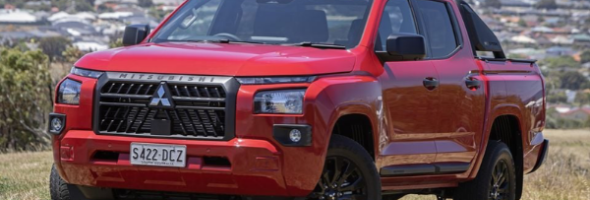
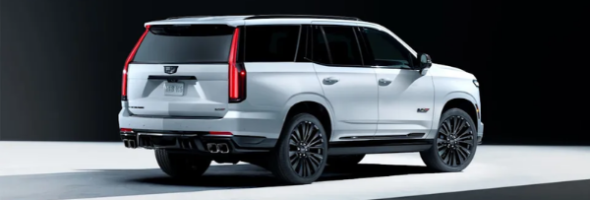
The automotive industry is rarely shy about signaling where it is headed, and the current wave of electric SUV launches is no exception. Across multiple continents and price segments, automakers are rolling out battery-powered utility vehicles at a pace that would have seemed ambitious just a few years ago. Taken together, these launches tell a coherent and revealing story about the strategic priorities shaping the industry’s near-term future.
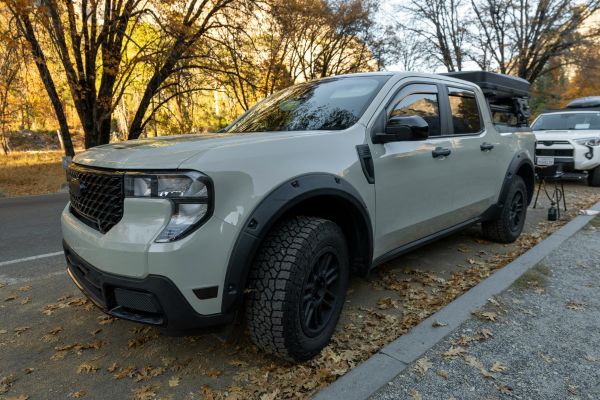
The SUV Format Has Become the EV Proving Ground
It is no coincidence that sport utility vehicles have emerged as the dominant body style in electric vehicle lineups. The SUV’s elevated ride height, generous interior space, and broad consumer appeal make it an ideal platform for housing large battery packs while maintaining the practicality buyers expect. Automakers have effectively identified the SUV as the lowest-risk, highest-reward format through which to introduce electric powertrains to mainstream audiences.
This pattern speaks to a broader calculation: manufacturers are not launching electric vehicles simply because they believe in the technology. They are launching them in formats they know consumers already trust and purchase in large numbers. The electric SUV, then, is less a revolutionary product and more a strategic bridge between familiar consumer habits and an electrified future.
Range Anxiety Is No Longer the Primary Selling Point
Early electric vehicles competed almost exclusively on range figures. The implicit message was reassurance: this car will not leave you stranded. Today’s electric SUV launches tell a different story. Manufacturers are leading with design sophistication, cabin technology, software integration, and brand prestige rather than simply boasting about kilometers or miles per charge.
This shift is significant. It suggests that the industry believes a critical mass of consumers has moved past the fundamental concern of running out of power. The conversation has matured. Buyers are now being courted with arguments about interior quality, over-the-air update capabilities, intelligent driver-assistance systems, and seamless connectivity — the same attributes that have traditionally defined premium combustion-engine vehicles.
Software Is Becoming as Important as the Powertrain
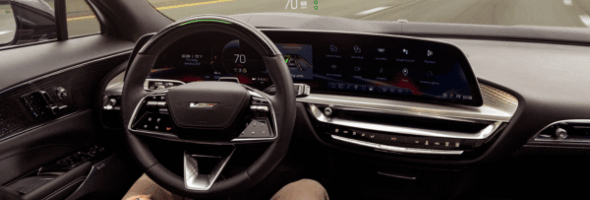
One of the clearest signals emerging from recent launches is how prominently software features in product positioning. Electric SUVs are increasingly presented not just as transportation, but as digital platforms on wheels. Large touchscreen interfaces, advanced driver-assistance suites, and predictive navigation systems are now central to the value proposition rather than optional extras.
This reflects the industry’s recognition that the software-defined vehicle is not a future concept — it is already the competitive battlefield. Automakers that can deliver continuous improvements through software updates and build intuitive digital ecosystems are positioning themselves as technology companies as much as manufacturers.
Pricing Strategy Reveals Market Confidence
The pricing decisions behind current electric SUV launches are equally telling. While ultra-premium models continue to arrive, a growing number of manufacturers are targeting mid-market segments with compelling specifications at more accessible price points. This downward price pressure signals growing confidence in battery cost reductions and supply chain maturity.
It also reflects a strategic imperative: for electric vehicles to achieve meaningful market share, they must appeal beyond early adopters. The launches targeting family buyers, first-time EV owners, and fleet purchasers indicate that automakers believe that moment of broader accessibility is approaching.
What This All Points Toward
Individually, each electric SUV launch can be read as a product announcement. Collectively, they form a clearer picture of an industry in active transition, one that has moved from experimenting with electrification to executing it at scale. The SUV has become the vehicle through which automakers are standardizing electric platforms, refining their software capabilities, testing consumer appetite for new pricing tiers, and rebuilding brand identities around sustainability and technology.
For industry observers and consumers alike, the lesson is the same: the electric SUV is not just a product category. It is the most visible expression of where the automotive world is placing its bets — and its resources — for the decade ahead.