In an era when automakers announce new nameplates with cinematic reveal events and years of anticipation, a quieter but increasingly effective strategy is taking shape on dealer floors and sales charts alike. Updated versions of existing models — mid-cycle refreshes, facelifts, and generational carry-overs with meaningful upgrades — are proving to be more commercially and strategically valuable than many brand-new vehicles entering the market for the first time.

This is not an accident. It reflects a deliberate, data-informed shift in how automakers are managing product portfolios amid tighter development budgets, evolving consumer expectations, and a market that demands both novelty and familiarity at the same time.
Trust Is Already Built In
One of the most underappreciated advantages of an updated model is the trust that comes pre-installed. When a manufacturer refreshes a vehicle that has already earned strong owner loyalty, positive word-of-mouth, and a recognizable presence on the road, it does not need to build credibility from the ground up. The foundation is already there.
New nameplates, by contrast, face an uphill battle regardless of how compelling their specs look on paper. Buyers are cautious. First-model-year concerns linger in automotive culture — worries about unresolved mechanical issues, software bugs, or design choices that haven’t been tested by real-world conditions. An updated model sidesteps nearly all of those hesitations.
More Bang for the Development Dollar
Developing an entirely new vehicle platform from scratch requires enormous investment across engineering, testing, supplier relationships, and manufacturing retooling. A well-executed update, on the other hand, allows automakers to direct resources toward the areas that matter most to consumers: interior quality, infotainment systems, driver-assistance technology, and powertrain efficiency.
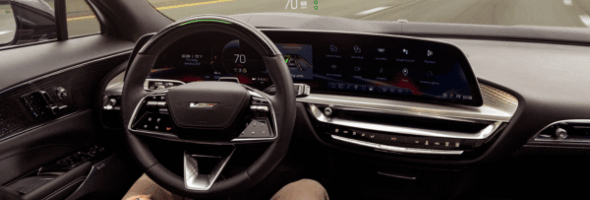
The result is often a product that feels substantially newer than its development cost would suggest. Refreshed interiors with modern screens and improved materials can transform the perceived value of a vehicle without the financial exposure of a ground-up redesign. In tighter economic climates, this kind of disciplined investment carries real strategic weight.
Familiarity as a Sales Driver
Consumer behavior research consistently points to the same phenomenon: people gravitate toward what they already recognize. A vehicle that looks like an improved version of something trusted and familiar activates purchase intent more reliably than an unknown quantity, no matter how innovative the latter may be.
Dealership sales teams also benefit. Training staff on a familiar platform, explaining evolutionary changes to returning customers, and handling trade-ins from existing owners all become smoother processes. The ecosystem around a known model is simply more efficient.
When New Nameplates Struggle to Find Footing
This dynamic becomes particularly visible when comparing the early-market performance of newly introduced nameplates against updated versions of established vehicles competing in the same segments. New entries frequently require multiple model years before achieving meaningful sales volume, brand recognition, and critical mass in the used-vehicle market — all of which feed back into new-car perception.
Meanwhile, a revised version of a proven bestseller can sustain or even grow its segment share almost immediately upon launch, drawing both returning buyers and conquest customers who previously considered alternatives.
The Strategic Lesson for the Industry
None of this suggests that new nameplates are without value. Segment expansion, brand repositioning, and the pursuit of emerging markets all require fresh entries. But the industry is learning — or perhaps relearning — that the portfolio’s backbone is often built on longevity and continuous improvement rather than perpetual reinvention.
The most successful automakers are those that know when to launch something new and when to deepen what already works. In today’s market, updated models are not compromises or holding patterns. They are calculated, consumer-informed moves that often deliver more immediate results than the next big thing.
The vehicles carrying the most weight right now may not have the newest names — but they have something more valuable: a track record.