Electric vehicles were supposed to make driving simpler, cleaner, and ultimately more affordable. Yet as adoption rates climb and more drivers make the switch from combustion engines, a new financial pressure is emerging — one that threatens to complicate the EV value proposition: the rising cost of insurance.
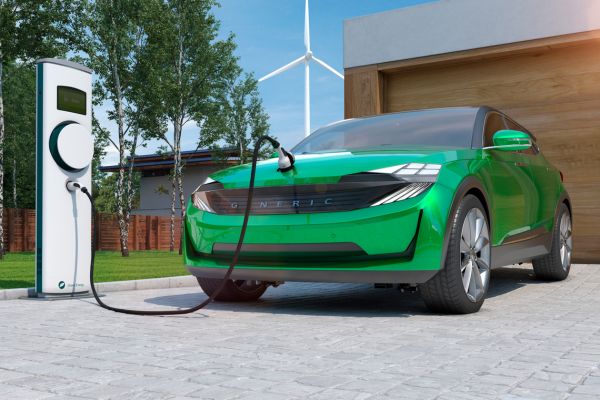
Across multiple markets, insurers and automotive analysts are flagging a consistent pattern. Premiums for electric vehicles tend to run higher than their gasoline-powered counterparts of similar size and market segment. What was once considered a minor footnote in the EV ownership conversation is now drawing serious attention from automakers, policymakers, and consumers alike.
What Is Driving Higher Premiums?
The reasons behind elevated EV insurance costs are structural, not coincidental. Several converging factors make electric vehicles more expensive to insure:
- Battery replacement costs: The battery pack is the most expensive single component in an electric vehicle. Even in moderate collision scenarios, battery damage can result in repair bills that far exceed what would be expected in a comparable gasoline vehicle. In some cases, insurers choose to write off the vehicle entirely rather than authorize a costly battery repair.
- Specialized repair requirements: EVs require certified technicians, proprietary diagnostic tools, and manufacturer-approved parts. This limits the pool of qualified repair shops and extends repair times, both of which increase costs.
- Limited claims data: Insurance pricing is built on actuarial modeling — decades of data on how vehicles behave in accidents. EVs are relatively new to the market at scale, which means insurers carry greater uncertainty and often price that risk conservatively.
- Advanced technology onboard: Cameras, radar sensors, lidar units, and integrated software systems are increasingly standard on electric vehicles. Replacing or recalibrating these systems after even minor incidents adds measurable expense.
A Concern That Goes Beyond the Consumer
While higher premiums directly affect individual vehicle owners, the implications extend well beyond personal finances. For the automotive industry as a whole, insurance costs are becoming a friction point in the EV adoption journey.
Automakers have invested heavily in positioning electric vehicles as cost-efficient alternatives over the long term, citing lower fuel costs and reduced mechanical maintenance. However, when insurance premiums offset or erase those savings, the economic argument weakens. This is particularly relevant for mass-market consumers who are more price-sensitive and may reconsider the switch entirely.
Insurance costs are increasingly appearing in consumer research as one of the top concerns among potential EV buyers — sitting alongside charging infrastructure and driving range as key hesitation points.
Industry Responses Taking Shape
The insurance industry is not standing still. Some carriers are beginning to develop EV-specific policies, working directly with manufacturers to better understand repair costs, parts availability, and risk profiles. Telematics-based insurance — where premiums are calculated based on actual driving behavior rather than statistical averages — is gaining ground as a more tailored approach.
On the manufacturing side, there is growing awareness that the total cost of ownership, including insurance, must be part of the product conversation. Some automakers are exploring partnerships with insurers, offering bundled coverage at the point of sale, or designing vehicles with repairability in mind — modular battery systems being one avenue under development.
A Systemic Challenge That Requires Systemic Thinking
The rise in EV insurance costs is not a crisis, but it is a signal. It reflects the growing pains of an industry transitioning rapidly without all the supporting infrastructure fully in place. Repair networks, actuarial models, regulatory frameworks, and consumer education all need to evolve alongside the vehicles themselves.
For the electric vehicle market to fulfill its long-term potential — environmental, economic, and cultural — the full ownership experience must be competitive. Insurance is a critical piece of that puzzle, and the industry would do well to treat it as such.
As the conversation matures, the clearest winners will be those who address insurance not as an afterthought, but as an integral part of building a credible, sustainable EV ecosystem.