The Fitbit Air is Google’s new screenless fitness tracker, designed for users who want health data without a traditional smartwatch display. It focuses on comfort, sleep, activity tracking and longer battery life rather than apps, alerts or on-wrist controls.
For many users, the appeal of Fitbit Air is not about doing more, but about doing less in a smarter way. Instead of competing with full smartwatches on apps or notifications, it focuses on everyday wellness, sleep habits and activity data in a quieter, more comfortable format.
What Is Fitbit Air?
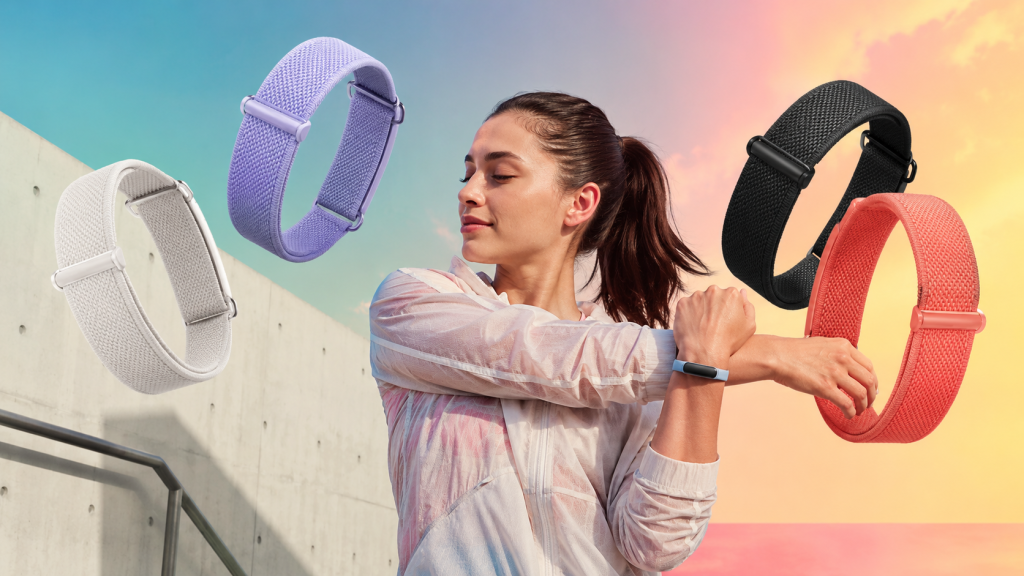
Fitbit Air is a compact wearable from Google that removes the screen completely. Instead of showing notifications, maps or watch faces, it sends health and fitness data to the Google Health app.
Google introduced the device on May 7, 2026, with pre-orders starting at $99.99. The company said Fitbit Air includes a three-month trial of Google Health Premium and is designed for 24/7 health monitoring.
The tracker is aimed at people who want fewer distractions on their wrist. It can monitor key wellness metrics such as heart rate, sleep, activity and workouts, while relying on the phone app for deeper insights.
Why Fitbit Air Is Being Compared to Smartwatches
The main question around Fitbit Air is whether a screenless tracker can replace a smartwatch. For some users, the answer may be yes, especially if they mostly use a smartwatch for steps, sleep tracking, workouts and daily health trends.
Early testing highlights several strengths. CNET’s two-week review noted strong battery life, a comfortable design, simple setup and useful sleep tracking. However, it also pointed out clear limits, including no time display, no phone ping feature and no built-in GPS.
That makes Fitbit Air more of a smartwatch alternative than a smartwatch killer. It removes many features people expect from a smartwatch, but it also removes the constant screen interaction that some users want to avoid.
Key Features and Known Limitations
Fitbit Air’s strongest feature may be its simplicity. It is small, light and built to be worn through the day and night. According to Google, it offers up to a week of battery life and fast charging, which makes it easier to use for sleep and recovery tracking.
The device also connects with the new Google Health app, which replaces the Fitbit app experience with a broader wellness platform. Google says the app is designed to bring health, fitness and wellness data into one place, with user controls for saved data and optional features.
Still, buyers should understand what Fitbit Air does not offer. It does not have a display, built-in GPS, smartwatch apps or full on-wrist controls. Some advanced coaching features also require Google Health Premium, which costs $9.99 per month or $99 per year after the included trial.
What This Means for Users
Fitbit Air could appeal to people who want a lighter wearable, longer battery life and fewer digital distractions. It also makes sense for users who care more about health tracking than replying to messages or checking notifications from the wrist.
However, smartwatch users who depend on a screen may find it too limited. Features such as checking the time, controlling music, using apps, viewing directions or finding a phone are still better suited to devices like the Pixel Watch, Apple Watch or Galaxy Watch.
The bigger impact is that Fitbit Air shows where wearable technology may be heading. Instead of trying to make every device more like a smartphone, Google is offering a simpler tracker built around health data, AI guidance and comfort.
What Fitbit Air Says About the Future of Wearables
Fitbit Air reflects a more focused direction for wearable technology: devices that prioritize continuous health tracking, comfort and battery life over constant interaction. While it may not replace a full smartwatch for every user, it offers a clear option for those who want reliable wellness data in a simpler and less distracting format.