Xreal Project Aura is giving Google’s smart glasses strategy a clearer direction, as the company works with Xreal to bring Android XR into a wearable device format.
The device was shown during Google I/O 2026, where Xreal and Google presented live demonstrations of Project Aura. According to Xreal, the product is planned as wired XR glasses that will launch globally in 2026, although final pricing has not been announced yet.
What Is Xreal Project Aura?
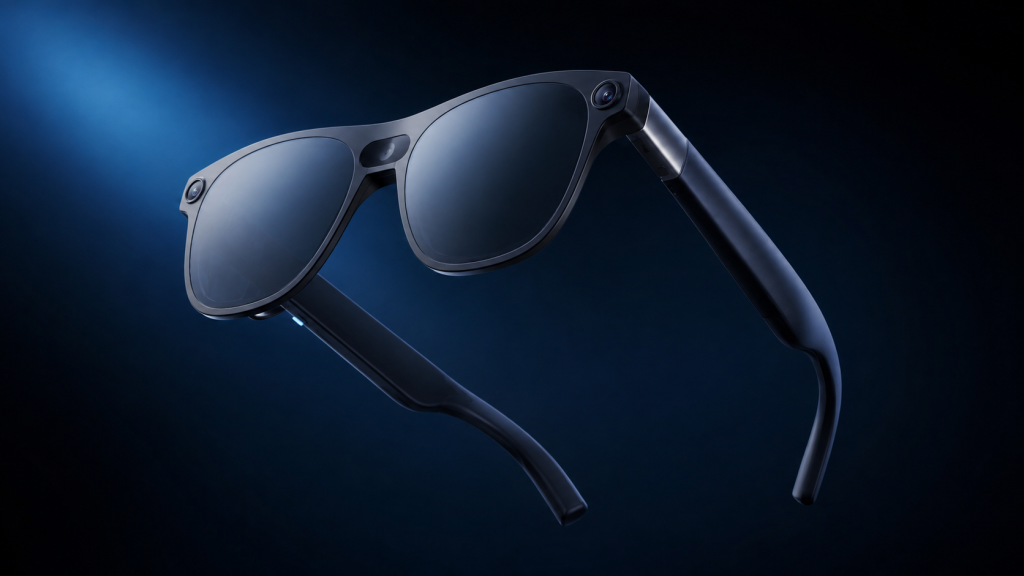
Project Aura is a pair of upcoming XR glasses built around Google’s Android XR platform. The device combines Xreal’s optical hardware with Google’s software ecosystem and Gemini AI features.
The glasses are designed to offer mixed-reality experiences while keeping the form factor lighter than a traditional headset. Xreal says the product uses its X1S chip alongside Qualcomm Snapdragon technology, with a 70-degree field of view for immersive content.
Why Google’s Role Matters
Google’s involvement is important because smart glasses need more than good hardware. They also need a strong operating system, useful apps and natural ways to interact with digital content.
Android XR could give Project Aura access to Google services, Android apps and developer tools. Google has also opened the Android XR Developer Catalyst Program to support apps for wired XR glasses like Xreal’s Project Aura and other intelligent eyewear devices.
What Features Are Known So Far?
Based on the information available, Project Aura is expected to support immersive Google Maps, YouTube 180 and 360-degree video, spatial multitasking and WebXR experiences. Xreal also highlighted Gemini-powered interactions and the ability to connect the glasses to a laptop through DisplayPort-in.
The product is still not fully detailed. Xreal has not confirmed final pricing, exact retail availability, battery information or all consumer specifications. For now, the company is positioning Aura as a practical step toward making XR glasses useful for developers, creators and eventually everyday users.
Why Smart Glasses Remain Difficult
Smart glasses have been one of the hardest categories in consumer technology. Many companies have struggled with bulky designs, limited battery life, weak app ecosystems and unclear everyday use cases.
Xreal CEO Chi Xu told TechCrunch that the industry has been difficult because many companies are still losing money in the category. He also said success depends on having the hardware, operating system and user interface ready at the same time.
What This Means for Users
For users, Project Aura could make smart glasses feel less like an experimental gadget and more like a real computing device. If Android XR works well, people could use glasses for navigation, media, productivity, gaming and AI assistance without relying only on a phone screen.
However, the final experience will depend on comfort, price, app quality and battery performance. Those details will decide whether Xreal Project Aura becomes a serious consumer product or remains mainly attractive to developers and early adopters.
The Bigger Picture
Project Aura arrives at a moment when the smart glasses market is becoming more competitive. Meta has already shown that simpler smart glasses can reach a wider audience, while Google is now focusing on Android XR as a broader platform for wearable computing.
If Xreal, Google and Qualcomm can combine lightweight hardware with useful AI and strong app support, Project Aura could become one of the most important Android XR devices of 2026. For now, it is a promising signal that smart glasses are moving closer to everyday use.