Mexico has introduced Olinia, a new electric vehicle project designed and developed in the country. The prototype was presented on June 7, 2026, marking an important step for Mexico’s automotive ambitions as the country looks to strengthen its role in electric mobility.
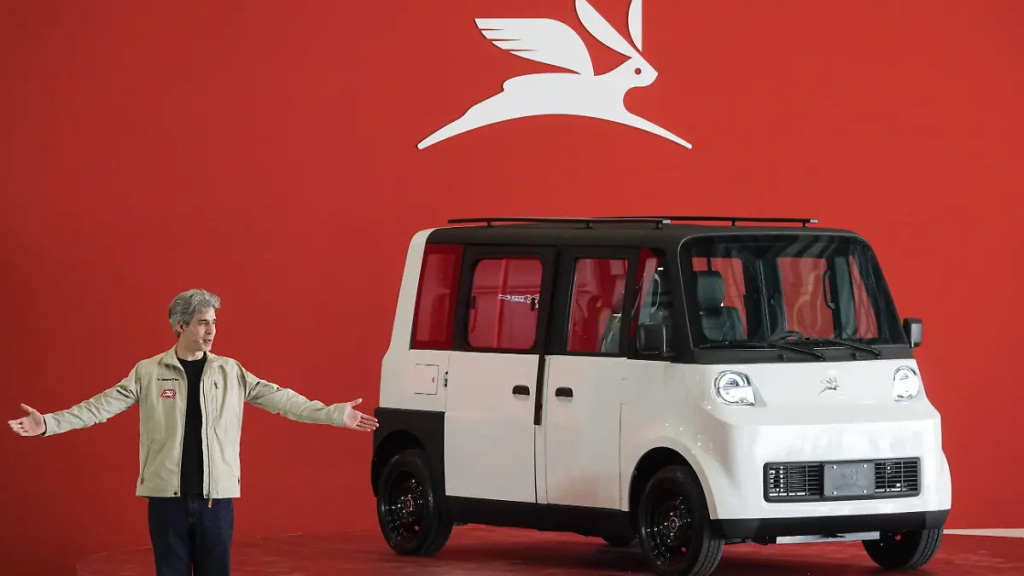
The project was promoted by President Claudia Sheinbaum and is being positioned as an accessible, efficient, and practical mobility option for Mexican cities. The name Olinia comes from Nahuatl and refers to movement, connecting local identity with a modern transportation vision.
Unlike many electric cars aimed at premium buyers, Olinia is being developed with affordability and everyday use in mind. Its target is not long-distance luxury travel, but short urban trips, neighborhood mobility, and practical transport for families, workers, and small businesses.
A Publicly Backed EV Project Developed in Mexico
Olinia has been developed with the participation of specialists and researchers from public institutions such as the National Polytechnic Institute, known as IPN, and the National Technological Institute of Mexico, known as TecNM.
Roberto Capuano Tripp, director of the project, has described Olinia as part of a broader goal to make sustainable mobility more accessible. The idea is to offer a low-cost electric vehicle that can serve real transportation needs in Mexican cities.
One of the most practical features is its charging system. Olinia is expected to connect to a conventional household outlet, which could make adoption easier for users who do not have access to specialized EV charging stations.
According to the information shared so far, the vehicle will use a 14.7 kWh battery, offer up to 125 km of range, and reach a top speed of 50 km/h. These numbers show that Olinia is being designed mainly for short daily routes, not highway use.
Designed for Urban and Inclusive Mobility
Olinia has a compact design focused on city driving. Its low-floor layout is intended to make entry and exit easier, while the cabin could carry up to six people thanks to a folding bench in the second row.
The vehicle is also expected to include practical comfort features such as electric windows and interior grab handles. These details may sound simple, but they matter in a vehicle designed for daily use in busy urban areas.
One of the most interesting parts of the project is its inclusive mobility approach. Olinia is expected to offer space and an anchoring system for a wheelchair user, along with a front seat for a companion. This would make it stand out in a segment where accessibility is often overlooked.
Three Versions Planned for Different Uses
The long-term plan for Olinia includes three different versions. The first would be a personal mobility model, designed as an alternative to a motorcycle. The second would focus on neighborhood mobility, similar to the role currently played by mototaxis in some communities.
The third version would be designed for last-mile deliveries. This could make Olinia useful for small businesses, logistics services, and urban delivery fleets looking to reduce fuel costs.
Because the project is still in development, these plans could change before the final commercial launch. Even so, the strategy shows that Olinia is not being treated as a single vehicle, but as a platform for different urban mobility needs.
Price, Production, and Expected Launch Date
The main Olinia model is expected to start at around 150,000 Mexican pesos. That price would place it among the most affordable electric vehicle options in Mexico, especially when compared with imported EVs.
Production is expected to take place in Puebla, a state with strong automotive experience and industrial capacity. Commercial production is planned for 2027, with the first customer deliveries also expected that year.
In the early stages, some components may still need to be imported. However, the broader goal is to gradually strengthen local supply chains and increase the participation of Mexican-made parts.
The investment model is expected to combine public support with private capital. This mixed structure could help the project move from prototype development to industrial production.
What Olinia Could Mean for Mexico’s EV Future
Olinia arrives at a key moment for Mexico. The country is already one of the world’s major vehicle manufacturing hubs, but most of that production is tied to global automakers. With Olinia, Mexico is trying to build a more local electric mobility identity.
If the project meets its timeline, Olinia could become an important option for drivers who want a first electric vehicle at a lower price. It could also serve people who need basic, efficient transportation for short urban routes.
Still, several questions remain. Final pricing, equipment, safety standards, production scale, and availability could change before the vehicle reaches customers in 2027.
For now, Olinia represents a bold and symbolic step for Mexico’s automotive industry. It combines national engineering, public-sector support, and a clear focus on affordable electric mobility. If executed well, it could become one of the most interesting EV projects in Latin America.