Light as a Design Language
For decades, automotive design was largely judged by the shape of a grille, the curve of a roofline, or the stance of a wheel arch. Today, however, one element has quietly risen to become one of the most powerful tools in a designer’s arsenal: light. The rapid evolution of LED and OLED lighting technologies has fundamentally changed how automakers craft the visual identity of their vehicles — and how drivers and pedestrians alike recognize them on the road.

What was once a purely functional component has become a medium for storytelling, brand differentiation, and emotional connection. The headlight cluster and taillight graphic of a modern car are now as carefully considered as a logo or a typeface. In a crowded marketplace, light signatures have become the new face of the brand.
The LED Revolution: Precision Meets Efficiency
Light Emitting Diode technology arrived in the automotive world and never looked back. Compared to the halogen and xenon systems that preceded them, LED units offer superior brightness, longer operational lifespans, and dramatically reduced energy consumption — a critical advantage as the industry pivots toward electrification.
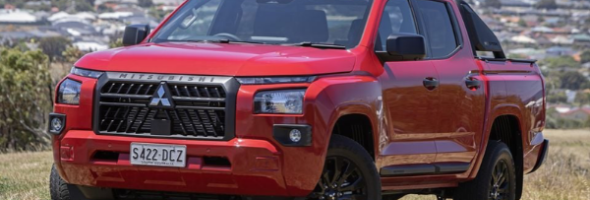
But the real design breakthrough came from LEDs’ physical flexibility. Their compact size allows engineers to arrange light sources in precise, intricate patterns that simply weren’t achievable with bulkier traditional systems. Thin horizontal strips, geometric clusters, and three-dimensional light sculptures became possible — and brands moved quickly to claim their own visual territory.
Today, a well-designed LED signature is immediately recognizable. Drivers can identify a manufacturer from a glance in the rearview mirror, even at night. That level of instant brand recognition represents enormous value in an era of intense automotive competition.
OLED Technology: Surface Lighting Enters the Equation
If LEDs rewrote the rules of automotive lighting, Organic Light Emitting Diode (OLED) panels are rewriting them again. Unlike LEDs, which are point light sources, OLEDs emit light uniformly across an entire surface. This creates a soft, even glow that is visually striking and technically sophisticated.
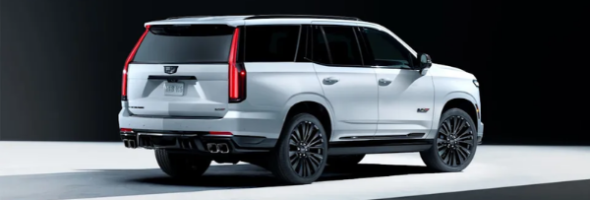
OLED panels can be shaped into curved or complex forms, opening possibilities that conventional lighting cannot match. Taillights can now function as seamless, glowing surfaces rather than collections of individual elements. The aesthetic result is cleaner, more premium, and unmistakably modern.
Beyond aesthetics, OLED technology offers meaningful functional advantages. Each panel can be individually controlled, allowing animated light sequences, adaptive brightness, and even communicative displays that interact with surrounding traffic. This dynamic capability transforms the taillight from a passive safety element into an active communication tool between vehicle and environment.
Identity, Safety, and the Road Ahead
The convergence of design ambition and technological capability is producing lighting systems that serve multiple roles simultaneously. Adaptive front lighting systems powered by LEDs now adjust beam direction based on vehicle speed, steering angle, and road conditions — improving safety in ways that previous generations of drivers couldn’t have imagined.
Meanwhile, at the rear, animated OLED sequences are being used to signal braking intensity, lane changes, and even low-speed alerts to cyclists and pedestrians. Light is no longer just about visibility; it is becoming a primary channel of vehicular communication.
For electric vehicles in particular, the stakes are especially high. With no combustion engine roar to announce their presence, EVs rely more heavily on visual cues to convey their personality and premium character. Thoughtfully designed lighting systems help bridge that sensory gap, giving electric models a presence that is both silent and unmistakable.
A New Standard for Automotive Expression
The shift toward LED and OLED lighting reflects something deeper than a technological upgrade. It signals a fundamental change in how the automotive industry thinks about identity, character, and emotional design. Light has become the medium through which vehicles speak — quietly, continuously, and with growing sophistication.
As software integration deepens and personalization options expand, the possibility of user-configurable light signatures is no longer science fiction. The vehicles of tomorrow may allow drivers to define not just their route, but the very way their car presents itself to the world around it. In that future, light will be less a feature and more a voice.