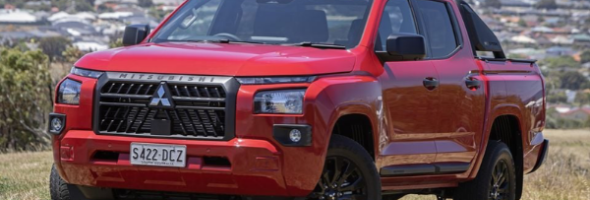
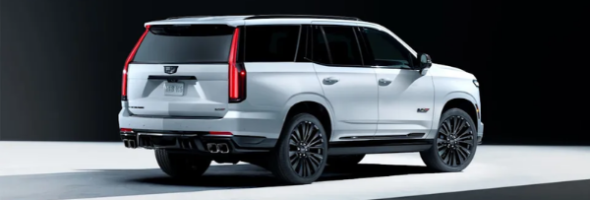
Walk through any busy parking lot today and you will notice something remarkable: despite the enormous variety of vehicles on sale, the ones that stop you in your tracks share one defining quality. Their fronts are unmistakable. You know immediately who made them, without reading a single badge. That is not an accident — it is the result of years of deliberate, strategic investment in what the industry now calls the signature front fascia.
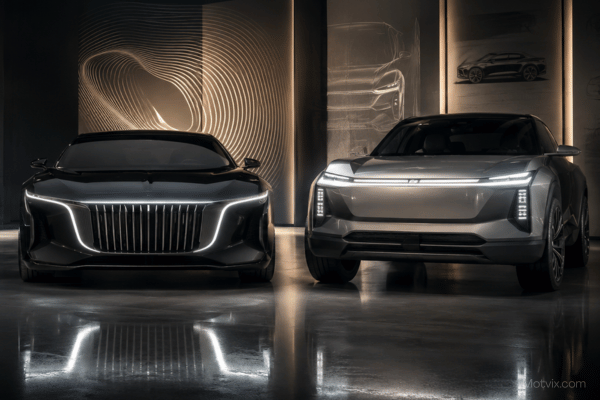
In an automotive market where platforms are shared, powertrains are increasingly standardized, and cabin technology often looks interchangeable, the front of a vehicle has quietly become each brand’s most irreplaceable asset. It is, in the most literal sense, a moving logo.
From Functional Component to Brand Cornerstone
For decades, the front fascia was treated primarily as an engineering solution — a structure designed to manage airflow, absorb impacts, and house lighting and cooling systems. Aesthetics were important, but they were secondary to function. That relationship has now reversed, or at least equalized significantly.
Today, design studios at major automakers dedicate extraordinary resources to developing a front language that is instantly recognizable, scalable across model lines, and capable of evolving without losing its core identity. The goal is consistency: a customer should be able to look at any vehicle in a brand’s lineup — from a compact crossover to a full-size SUV — and see the same DNA expressed at the front.
This shift has accelerated for a clear reason. As vehicles become more technologically similar under the skin, the visual surface becomes the primary differentiator that consumers can actually perceive and emotionally respond to.
The Language of Grilles, Light Signatures, and Surface Design
Three elements have emerged as the primary tools through which brands communicate identity at the front of a vehicle:
- Grille design: Whether it is a distinctive geometric pattern, a specific shape language, or even the deliberate absence of a traditional grille in electric vehicles, this central element anchors the front composition and provides an immediate visual anchor.
- Lighting signatures: Daytime running lights have transformed from a safety requirement into one of the most powerful branding tools in modern automotive design. A recognizable light graphic — visible day and night — creates continuity across an entire lineup.
- Surface sculpture and hood character: The way light plays across the hood, the tension lines that lead the eye toward the front corners, and the relationship between the upper and lower front structures all contribute to a sense of character that skilled designers spend years refining.
Electric Vehicles Are Raising the Stakes
The transition to electric mobility has added a fascinating layer of complexity to this conversation. Traditional grilles exist primarily to channel air toward internal combustion engines. Electric vehicles do not share that functional need, which has forced design teams to rethink the front face from first principles.
Some brands have chosen to retain a grille-like element for continuity and recognition. Others have embraced a closed, smooth front as a symbol of their electric future. In both cases, the decision is deeply strategic. How a brand chooses to handle the front of its electric vehicles sends a clear message about its identity, its values, and its intended audience.
This design freedom has made the front fascia even more important as a differentiator, precisely because there is no longer a universal functional template to follow.
Recognition as a Competitive Advantage
Beyond aesthetics, there is a tangible commercial dimension to this discussion. Brand recognition at the vehicle level directly influences purchase decisions, loyalty, and perceived quality. When a front design is strong enough to create an emotional response — familiarity, aspiration, trust — it does marketing work that no campaign can fully replicate.
Dealership studies and consumer research consistently suggest that buyers form strong visual associations with specific front designs, often before they have processed any other detail about a vehicle. The front face is the first handshake between a brand and a potential customer.
Design Equity Built Over Time
Perhaps the most underappreciated aspect of signature front fascia strategy is the time it requires. A truly distinctive front language is not designed overnight. It is developed across model generations, refined based on market feedback, and protected as intellectual and creative property.
Brands that commit to a coherent front design language over many years accumulate what designers sometimes refer to as visual equity — a reservoir of recognition and familiarity that new entrants to the market simply cannot purchase or imitate quickly.
In that sense, a well-developed front fascia strategy is not just a design decision. It is one of the most durable competitive advantages an automotive brand can build.