For years, the electric vehicle market felt like a promise perpetually deferred. Early adopters embraced it with enthusiasm, but the average driver remained cautious — put off by high prices, limited charging infrastructure, and the nagging anxiety of running out of power before reaching a destination. That story is changing. A new generation of compact electric vehicles is now entering showrooms and online configurators, and for the first time, the conditions surrounding them appear genuinely ready to support mass adoption.
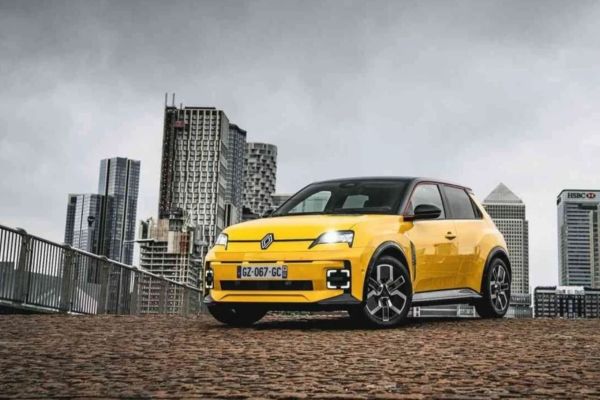
The arrival of these smaller, more accessible EVs is not accidental. Automakers have spent the better part of a decade studying where the market stumbled and recalibrating their strategies accordingly. The result is a wave of compact models designed not for early adopters with deep pockets, but for the practical, cost-conscious driver who simply needs reliable, efficient transportation.
What Has Changed in the Market
Three interconnected shifts have reshaped the landscape for compact electric vehicles, and their convergence is significant.
- Price accessibility: Battery costs have fallen substantially over recent years, allowing manufacturers to bring smaller EVs to market at price points that genuinely compete with their internal combustion equivalents. Incentive programs in multiple regions have further closed the gap, making the purchase decision considerably less daunting for mainstream buyers.
- Charging infrastructure growth: Public charging networks have expanded at a pace that would have seemed optimistic just a few years ago. Urban drivers, in particular, now find it far easier to integrate charging into their daily routines, whether at home, at work, or at an increasing number of commercial locations.
- Consumer familiarity: EVs are no longer a novelty. A growing number of drivers have either owned one, rented one, or know someone who has. That familiarity has dissolved many of the myths and misconceptions that previously suppressed demand, particularly around reliability and long-term ownership costs.
The Compact Segment: Why It Matters
Compact cars represent one of the highest-volume segments in global automotive sales. Winning this category is not merely a commercial milestone — it signals that electric mobility has moved beyond a niche and into the mainstream. A compelling compact EV must balance range sufficiency for everyday use, interior practicality, and a driving experience that feels genuinely modern rather than compromised.
Manufacturers entering this space are acutely aware of these expectations. New compact EVs arriving in the market tend to feature thoughtfully designed cabins that prioritize usability, software-driven interfaces that simplify the ownership experience, and efficiency tuning that maximizes real-world range rather than chasing headline figures.
Design and Technology Playing a Central Role
Beyond the powertrain, compact EVs are using design and technology to distinguish themselves in a crowded field. Clean exterior lines, distinctive lighting signatures, and carefully considered interior ergonomics are becoming standard expectations rather than premium differentiators. On the technology front, advanced driver-assistance systems, over-the-air software updates, and integrated connectivity features are increasingly present even at entry-level trims.
This approach reflects a broader understanding within the industry: buyers in the compact segment are not willing to accept a stripped-down experience simply because they are choosing a more affordable model. They expect sophistication, and automakers are delivering it.
A Market Ready to Receive Them
The timing of this compact EV wave carries real strategic weight. Governments in key markets continue to support electrification through regulatory frameworks and purchase incentives. Fleet operators are actively seeking lower-emission options for urban mobility. And a generation of younger drivers is entering the market with electric mobility as a default preference rather than an alternative.
What previous EV generations lacked was not ambition — it was alignment. The product, the infrastructure, the economics, and the cultural readiness were rarely synchronized. Today, for compact electric vehicles, that alignment is closer to reality than it has ever been. The market, it seems, has finally caught up with the idea.