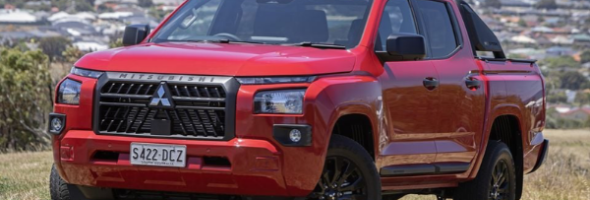
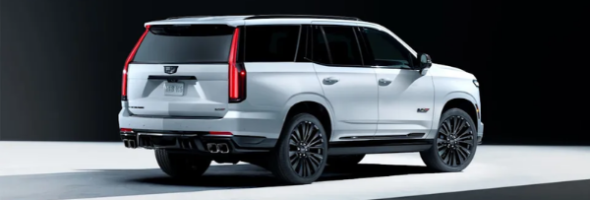
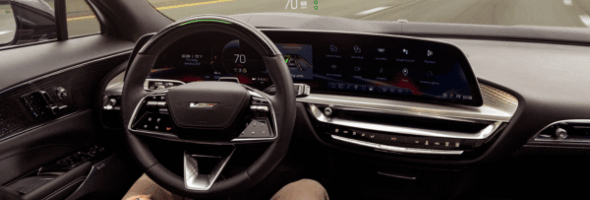
For decades, pickup trucks were defined by towing capacity, payload ratings, and ground clearance. Those metrics still matter — but they are no longer the whole story. A new generation of trucks is arriving with a very different pitch: intelligence. From AI-assisted driving features to over-the-air software updates and fully integrated digital cabins, the pickup segment is undergoing one of its most significant transformations in recent memory.
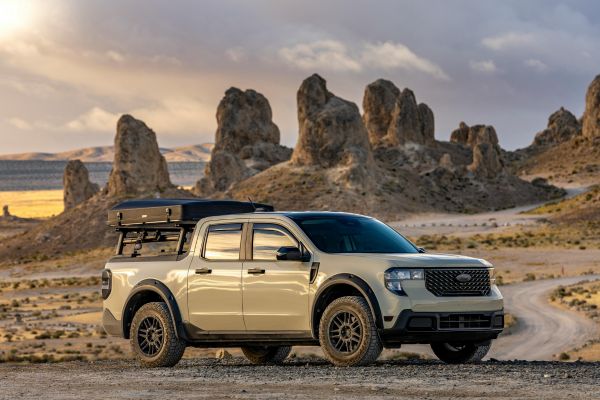
From Work Tools to Smart Platforms
The traditional pickup buyer valued durability above all else. That expectation has not disappeared, but it has been joined by a growing demand for connectivity, safety automation, and digital convenience. Manufacturers have responded by treating their trucks less like mechanical tools and more like software-enabled platforms on wheels.
Recent market entries have showcased features that were unthinkable in a work truck just a few years ago: large-format touchscreens with real-time data overlays, adaptive cruise control systems capable of reading terrain, and integrated fleet management software baked directly into the factory configuration. The cabin, once an afterthought in the segment, is now a serious design and technology battleground.
Driver Assistance Takes Center Stage
One of the most notable shifts is the arrival of advanced driver-assistance systems (ADAS) as standard or near-standard equipment across multiple trim levels. Lane-keeping assist, automatic emergency braking, blind-spot monitoring, and trailer-sway control are increasingly common across mainstream configurations — not just premium packages.
Some manufacturers are pushing further, offering semi-autonomous towing assistance that can help drivers align and maneuver trailers with minimal physical input. This technology addresses one of the most consistently challenging tasks for truck owners, and its inclusion signals how seriously automakers are taking the practical intelligence angle in this segment.
Electrification and the Connected Powertrain
Electric and hybrid powertrains are also reshaping what intelligence means for pickups. Battery-electric trucks bring with them an entirely new layer of software interaction — from energy management to charging route optimization. Owners can now monitor power usage, schedule charging windows, and even use their trucks as mobile power sources for job sites or outdoor activities.
This bidirectional energy capability, often marketed as vehicle-to-load or vehicle-to-home functionality, represents a genuine functional expansion for the segment. It is not a novelty feature — for contractors, outdoor enthusiasts, and emergency preparedness-minded buyers, it offers real-world utility that combustion engines simply cannot match.
Over-the-Air Updates and the Evolving Truck
Perhaps the most consequential technological shift is the move toward over-the-air (OTA) software updates. Trucks equipped with this capability can receive new features, performance calibrations, and security patches without a dealership visit. This fundamentally changes the ownership experience: the vehicle a buyer drives home today may perform meaningfully better a year from now, with no extra cost or effort required.
It also changes how manufacturers think about the product lifecycle. A truck is no longer a static object delivered at purchase — it becomes an evolving relationship between the owner and the automaker’s software team.
What This Means for the Market
The pickup truck segment remains one of the most commercially vital in the automotive industry, particularly in North America. The race to add intelligence is not purely idealistic — it is market-driven. Buyers are comparing trucks the way they once compared smartphones, weighing ecosystems, update policies, and digital integrations alongside horsepower and torque.
This creates both opportunity and pressure for manufacturers. Those who treat software as a secondary feature risk falling behind. Those who build trucks where hardware and software evolve together are positioning themselves for long-term relevance in a segment that refuses to stand still.
The smarter pickup truck is not a future concept. It is already in dealerships, on job sites, and in driveways — and its capabilities are only growing.