Cars have always been defined by their engines, design, and driving performance. In 2026, a new force is taking over: artificial intelligence and software.
From Hardware to Software: What Is an AI-Defined Vehicle?
For most of automotive history, what made a car better was what was under the hood. More power, better suspension, stronger brakes. That thinking is rapidly changing.
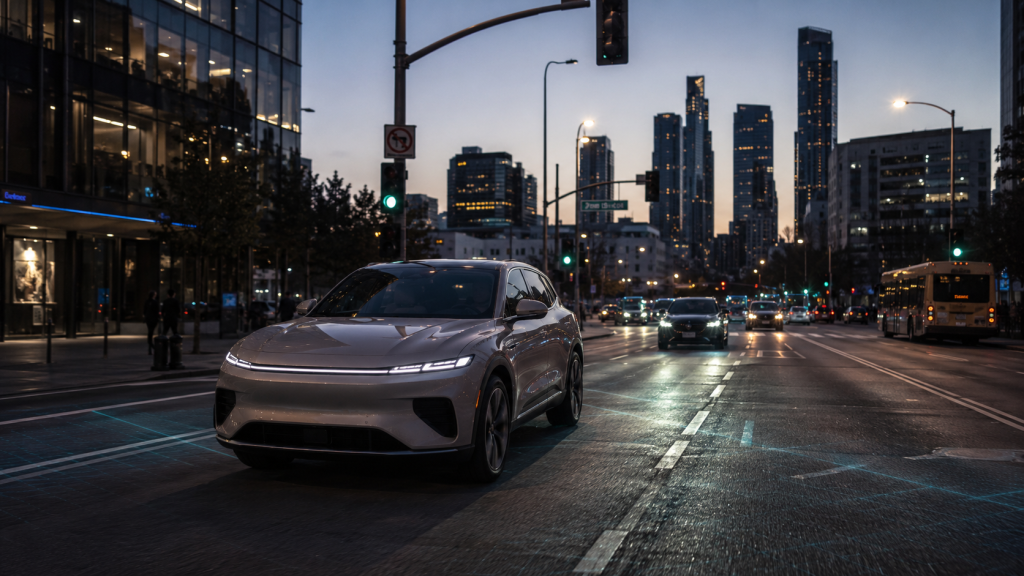
Today, a growing number of vehicles are described as software-defined — meaning their core features, from safety systems to the way the dashboard works, are controlled and updated through software rather than fixed mechanical parts. The next step beyond that is what the industry now calls an AI-defined vehicle, or AIDV. In an AI-defined vehicle, artificial intelligence plays a central role in how the car behaves, learns, and improves over time.
The global automotive industry is undergoing a structural transformation as manufacturers shift from hardware-centric production models toward software-defined vehicle platforms, with AI driving advances in driver assistance systems and electric vehicle technologies.
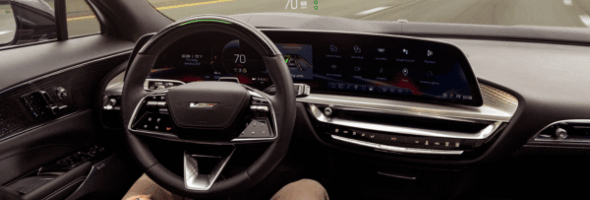
This shift is visible across major automakers. Mercedes-Benz confirmed that its new CLA model will feature an AI-powered operating system built with Nvidia’s full-stack drive software and computing infrastructure, designed to enable advanced driver assistance capabilities in complex urban environments. At the same time, Qualcomm is working with ZF to deliver scalable ADAS solutions, while Leapmotor’s D19 model will use a Snapdragon Elite platform that combines cockpit control, driver assistance, body control, and connectivity into a single system.
OTA Updates: Cars That Improve After You Buy Them
One of the most practical changes for everyday drivers is the rise of over-the-air updates, commonly called OTA updates. These work similarly to software updates on a smartphone. Instead of going to a dealership to fix a problem or gain a new feature, the car downloads the update automatically — often overnight.
Industry analysis shows that automakers and suppliers are accelerating adoption of continuous OTA software updates, enabling vehicles to receive real-time enhancements and new features throughout their lifecycle. This is no longer limited to a handful of brands. Companies such as Volvo can now update millions of vehicles simultaneously through cloud-based systems.
The business model is also evolving. This connectivity unlocks revenue streams through subscriptions for ADAS features, connected services, and paid software upgrades — a model that mirrors what smartphone and streaming companies have done for years.
A Market Growing Fast — and Not Without Challenges
The financial scale of this transformation is significant. The global automotive AI market was valued at around $4.71 billion in 2025 and is projected to grow to approximately $58.99 billion by 2035, expanding at a compound annual growth rate of nearly 29%.
Adoption is accelerating too. 2026 marks a tipping point for software-defined vehicles, with over 57% of surveyed automotive development teams deploying these architectures globally.
But the transition is not without risk. Some 41% of software-defined vehicle development teams have faced recalls due to software defects — a stark reminder that as hardware becomes software, the risks of rapid iteration increase. Cybersecurity, validation, and regulatory compliance are becoming as critical as mechanical engineering once was.
Automakers that built unified software platforms early are positioned to deploy AI at scale, while those still consolidating fragmented systems risk becoming commodity hardware suppliers competing mainly on manufacturing cost.
A Sign of Where Cars Are Heading
The shift to AI-defined vehicles is not a distant prediction. It is happening now, on roads around the world. For drivers, it means cars that can get safer, smarter, and more capable over months and years — without ever visiting a service center. For automakers, it means software is now as strategic as the factory floor.
The companies winning this race are those treating AI not as an added feature, but as the foundation of the vehicle itself. For buyers, that raises a new question worth asking before any purchase: not just what this car does today, but what it will be capable of tomorrow.