The competition for luxury sales leadership in the United States has rarely looked as one-sided as it does heading into the final quarter of 2026. BMW has spent the year steadily widening its lead over rivals in the premium segment, and the third-quarter results confirm that the gap is growing rather than closing. Audi’s US deliveries fell 15 percent in the past quarter, Cadillac nosedived 30 percent, and BMW remained well ahead of the competition.
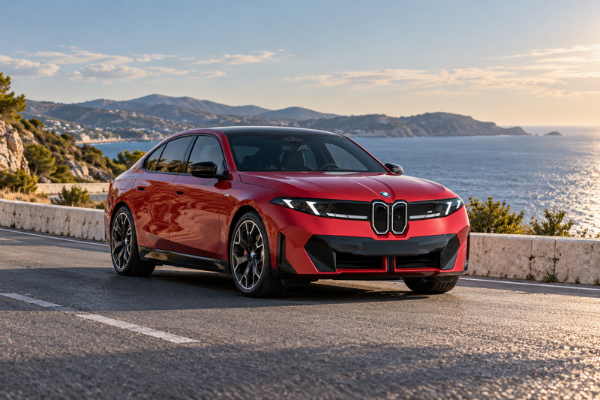
BMW: Neue Klasse Is Working
BMW’s strong Q3 performance is built on a combination of factors — a refreshed core lineup, strong hybrid demand, and the early momentum of its Neue Klasse electric vehicles reaching the market. The iX3, which began US deliveries on September 25, arrived with significant pre-order demand and has been added to a lineup that was already performing well. BMW’s combination of EV, plug-in hybrid, and combustion models across the 3, 5, and 7 Series, alongside its X-series SUVs, gives it coverage across every corner of the premium segment.
The Neue Klasse launch could not have been timed better commercially. At a moment when rivals are either facing EV headwinds or dealing with product gaps — Audi in the midst of a major model transition, Cadillac without clear EV traction at volume — BMW has arrived with new products that buyers and press have responded to positively.
Audi’s Difficult Transition Quarter
A 15% decline in US deliveries is a meaningful miss for a brand of Audi’s scale. The decline reflects a product transition period in which several existing models are aging — including the Q5, which will receive a major update — while the next-generation electric lineup is still arriving. Audi’s Q6 e-tron and A6 e-tron have launched to positive reviews, but volumes are still building. The gap between the end of the previous generation’s peak sales and the new generation achieving full volume is producing the expected — but painful — sales trough.
Audi’s US challenges are compounded by the broader Volkswagen Group’s difficulties in China, where the group’s profitability has been significantly impacted. Cost-cutting measures across the group may constrain the marketing and incentive spending that could otherwise cushion the US transition period.
Cadillac: A 30% Drop That Demands Explanation
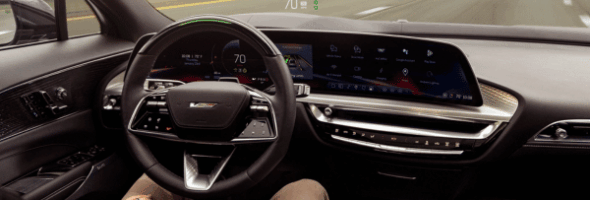
The 30% decline for Cadillac is the sharpest figure in the luxury segment and reflects a genuine structural challenge. Cadillac is navigating the end of several combustion model lines — the CT4 has been confirmed for discontinuation after the 2026 model year, and the CT5 will transition to a next-generation platform after production winds down this winter. In the EV segment, the Lyriq has faced inventory buildup challenges, and the Escalade IQ’s ramp has been slower than originally projected.
The Cadillac decline is also visible in dealer profitability. Cadillac’s push for dedicated brand-focused showrooms — requiring significant dealer investment in facility upgrades — has strained some dealer relationships at exactly the moment when sales are declining. Dealers who invested in expensive renovations are now generating lower volume, a combination that is creating friction between the brand and its retail network.
Mercedes-Benz: Global Pressures, US Resilience
Mercedes-Benz Group reports total sales down 6% in Q3 2026 globally, reflecting the same China headwinds that are affecting BMW and Audi. However, Mercedes’ US performance has been more resilient than its global numbers suggest — the brand’s American business has benefited from strong demand for the refreshed C-Class, the E-Class, and the GLC, all of which arrived in updated forms in 2026. The Maybach sub-brand has also continued to generate strong margins even at lower volumes. marklines
What This Means for the Segment
BMW’s widening lead in the US luxury market is a story of preparation meeting opportunity. The brand’s commitment to maintaining combustion, hybrid, and electric options simultaneously — rather than pivoting sharply toward any single technology — has served it well in a market that continues to reward flexibility. With the Neue Klasse iX3 and i3 now in market, BMW is also positioned to capture the subset of luxury buyers who are ready to go electric on their own terms, without being told they have to.
For rivals, the path back involves product: Audi’s recovery depends on Q5 and A6 e-tron volume building, Cadillac’s on whether the next-generation CT5 and upcoming EV lineup can restore momentum in 2027 and 2028.