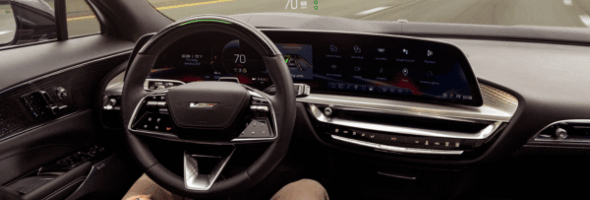
General Motors has issued a safety recall for a small but notable group of its most high-profile electric vehicles — the 2026 Chevrolet Silverado EV, GMC Sierra EV, and Cadillac Escalade IQ and Escalade IQL — after discovering that an internal battery module component may not have been properly secured during assembly. The defect carries an elevated risk of fire, and the remedy is not a software fix: GM will replace the entire high-voltage battery pack in every affected vehicle.
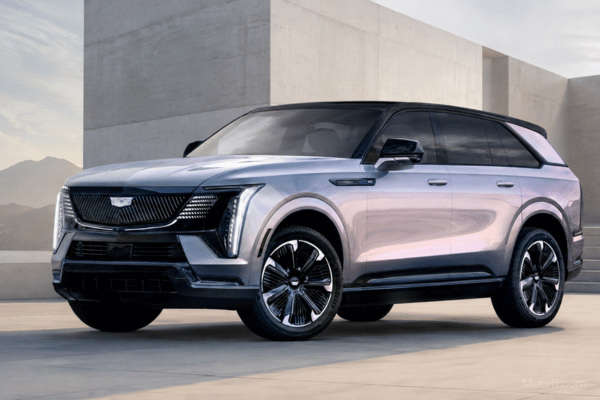
What the Recall Covers
General Motors has issued Safety Recall N262562600 for certain 2026 Cadillac Escalade IQ and Escalade IQL models due to a manufacturing issue involving the high-voltage battery pack. The recall also covers certain 2026 Chevy Silverado EV and GMC Sierra EV models equipped with the same battery design. According to GM, an internal battery module component may not have been properly secured during assembly, creating the potential for battery damage and an increased risk of fire.
The specific component involved is a sense line assembly — an internal connector within the battery pack that monitors the condition of individual battery modules. Battery module components that are not properly secured may move and cause internal damage to the battery, and batteries with this condition have an increased risk of fire.
How Many Vehicles Are Affected
The scope of this recall is notably narrow. The recall covers exactly ten vehicles in the United States: four 2026 Silverado EVs, three Cadillac Escalade IQLs, two Escalade IQs, and a single Sierra EV, all built in a two-week window between May 4 and May 18, 2026.
That small number is the result of how quickly GM identified and contained the problem. The root cause is a factory issue: the battery module component is put together at GM’s Factory Zero plant in Detroit and Hamtramck, Michigan — the same facility that assembles all four of these EVs. A press machine used in that operation was misadjusted during scheduled downtime.
GM caught the error on May 17, 2026, when two battery modules with sense line fingers not fully secured turned up at the company’s Ramos assembly plant in Mexico. GM then used photographic manufacturing records to review the entire suspect population and narrowed it down to 14 vehicles worldwide, ten of them in the US. No field incidents have been reported.
Why a Full Battery Replacement — Not a Repair
The remedy GM has chosen is significant: rather than attempting to repair the internal component or replace only the affected module, dealers will replace the entire battery pack rather than repair individual internal components. Dealers will install a new battery pack, a job GM books at 9.5 hours of labor, at no cost to the owner.
That decision reflects the complexity of modern EV battery packs. High-voltage batteries in large electric trucks and SUVs are deeply integrated systems — disassembling them to replace internal components in the field introduces its own risks and requires controlled conditions. GM’s choice to replace the whole pack is more expensive in parts and labor, but it is also the more conservative and reliable solution.
What Owners Should Do
Both recalls became VIN-searchable on NHTSA.gov on July 30, 2026. Owners can check whether their vehicle is affected by running their VIN at NHTSA.gov/recalls or through GM’s owner apps and websites — a process that takes about a minute. The battery recall is registered under NHTSA campaign 26V494.
Owners should wait for GM to mail official recall notification letters. Dealers have already been instructed to verify affected VINs through GM’s Investigate Vehicle History system and complete the battery replacement before delivering any recalled vehicle. Customers who have already taken delivery of an affected vehicle should contact their Cadillac, Chevrolet, or GMC dealer to schedule the repair.
The Bigger Picture for EV Safety
While ten vehicles is a very small recall population, the underlying issue touches on one of the most sensitive topics in the EV industry: battery fire risk. High-voltage lithium-ion battery fires are rare, but they burn hotter, longer, and are more difficult to extinguish than conventional vehicle fires — and they generate significant media attention when they occur.
GM’s handling of this particular recall follows a more structured and proactive approach than some of the industry’s earlier EV battery crises. By identifying the manufacturing error at the component level before any field incidents occurred, and by opting for full battery pack replacements rather than leaving affected vehicles in use pending a partial fix, GM is demonstrating a more cautious posture around EV battery safety than it showed during the Chevrolet Bolt fire recalls of 2021, which evolved slowly over several months and eventually affected tens of thousands of vehicles.
The Silverado EV, Sierra EV, and Escalade IQ represent some of GM’s most significant investments in its electric vehicle future — they are large, expensive vehicles built at Factory Zero, the plant GM retooled specifically for EV production. Keeping that platform’s safety record clean is a business priority, not just a regulatory obligation.
For the ten affected owners, the process is straightforward: check the VIN, contact the dealer, and get the battery replaced at no charge. For the rest of the industry, the episode is a reminder that even tightly controlled EV manufacturing processes can produce isolated defects — and that how quickly and thoroughly a company responds to them matters as much as the defect itself.