Walk the halls of the 2026 Paris Motor Show and a pattern becomes unmistakable. Brand after brand is reaching into its heritage — pulling out names, shapes, and design language from decades past — and repackaging them as electric vehicles for the modern era. The 2CV. The RCZ. The Renault 5. The Alpine A310. The e-Space concept. These are not arbitrary design choices. They are a strategic response to one of the most significant competitive threats the European automotive industry has faced in its history.
The Chinese EV Threat in Numbers
Chinese manufacturers, including BYD and Geely, already had almost 11% of the European market in the second quarter, according to Schmidt Automotive Research, with models that are often cheaper and boast more advanced technology than local brands.
Eleven percent of the European market is not a niche. It is a meaningful and growing share, gained in a compressed timeframe that has left legacy European automakers scrambling to respond. The vehicles driving that share gain — BYD’s Atto 3, Seal, and Han; MG models; Geely’s Polestar and Volvo products; emerging brands like Leapmotor and Chery’s Jaecoo — are competitive on price, technology, and increasingly on build quality. The affordable end of the market is where the pressure is most acute, and that is precisely where the retro revival strategy is aimed.
The Retro Formula and Why It Works
“It’s notable that we’re seeing this kind of retro thing in small affordable EVs in Europe,” said Robert Dooley, senior design strategist at Car Design Research, “because that’s where the price pressure from Chinese brands is going to be strongest.”
The logic is straightforward. Chinese EV brands can compete on technology, price, and features. What they cannot easily replicate is 70 years of European cultural attachment to a specific car. A British buyer who grew up with Renault 5s chose a yellow electric version of the car as their first EV in May — specifically because the emotional connection to the original drove the purchase decision.
Nostalgia is a form of competitive moat. It does not make a car faster or longer-ranged, but it creates a purchasing rationale that goes beyond a spec sheet comparison. For brands like Citroën, Renault, and Peugeot, the challenge is converting that emotional advantage into a vehicle that also delivers on modern expectations of range, technology, and quality.
What Paris 2026 Showed
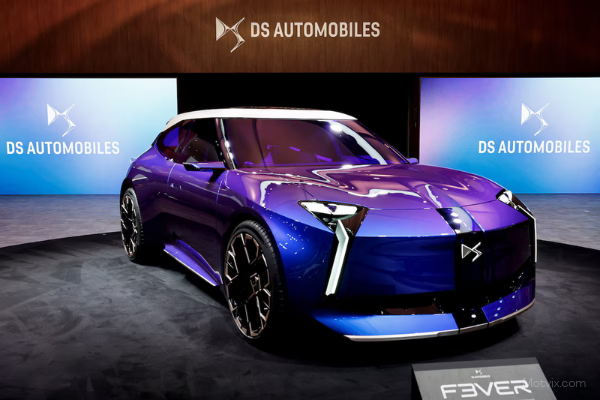
The breadth of the retro strategy on display this week is remarkable. Citroën revealed the electric 2CV Concept — targeting €15,000 and a 2028 production date, designed to sit between the Ami and C3 in a segment where Chinese brands are strongest. Peugeot unveiled the RCZ Vision — a 500 hp electric coupe concept with a solid-state battery and the unmistakable double-bubble roof of the original. Renault brought the E-Space concept, reimagining its iconic people carrier for the electric era. Alpine showed the A310 Vision, a retro-futuristic sports car concept that revives a nameplate that last appeared in 1985. Stellantis also unveiled an electric version of Citroën’s iconic 2CV, produced from 1948 to 1990, while Volkswagen’s electric Polo borrows heavily from the 1980s golden era of the Golf.
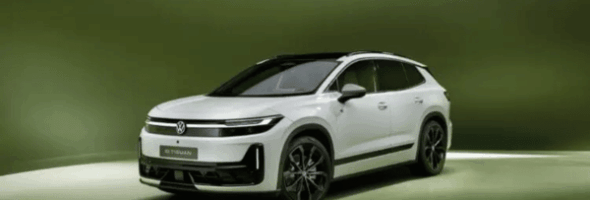
The revival strategy extends beyond Stellantis and Renault Group. Volkswagen has already brought back the Polo nameplate as an electric car borrowing heavily from the Golf’s design heritage. Fiat’s ongoing 500e leans heavily on the visual language of the original 500. Even BMW’s Neue Klasse design language draws on 1970s roundel aesthetics while delivering thoroughly modern technology.
The Risk in the Strategy
Nostalgia is a compelling marketing tool, but it does not guarantee success. Several of the vehicles unveiled this week are still concepts, not confirmed production models. The €15,000 price target for the new 2CV is ambitious — achieving it while meeting modern safety standards, regulatory requirements, and consumer technology expectations will require execution that legacy automakers have not always delivered.
Chinese EV brands have advantages that nostalgia cannot address. Their supply chains are more integrated, their battery costs are lower, their software development cycles are faster, and their manufacturing labor costs are significantly cheaper than in France or Germany. A European retro EV at €15,000 that matches a Chinese competitor’s technology at the same price will require either regulatory support — which the EU’s E-Car framework is designed to provide — or a level of cost engineering that has not historically been a strength of European mass-market brands.
What Comes Next
The 2026 Paris Motor Show has demonstrated that European automakers have a creative answer to the Chinese EV challenge: use history as a differentiator. Whether that answer translates into market share depends on whether the concepts shown this week reach production at the prices promised, in the timeframes indicated, and with the quality that buyers in this segment — who are increasingly sophisticated EV consumers — will expect.
The 2028 production window for the new 2CV is three years away. The competitive landscape in affordable European EVs will look very different by then. The question Paris 2026 has answered is whether European brands have a strategy. The question the next few years will answer is whether they can execute it.