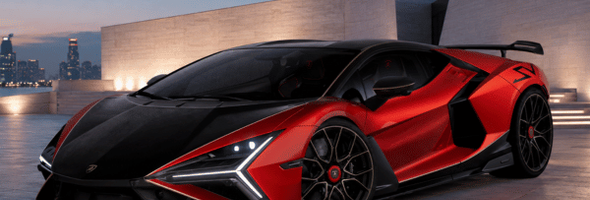
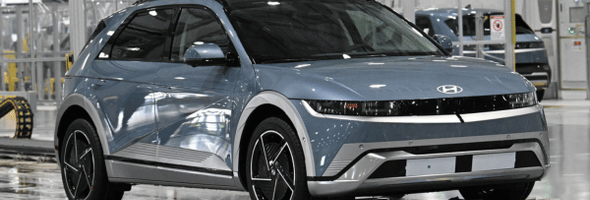
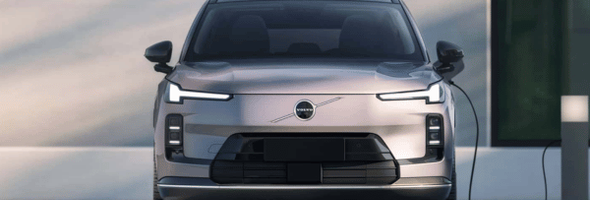
The relationship between automobiles and natural light has always been part of the driving experience. But in recent years, glass roofs and panoramic panels have moved well beyond their origins as premium accessories. Today, they represent a central pillar of modern cabin design — shaping the emotional tone of an interior as much as any seat material or dashboard layout.
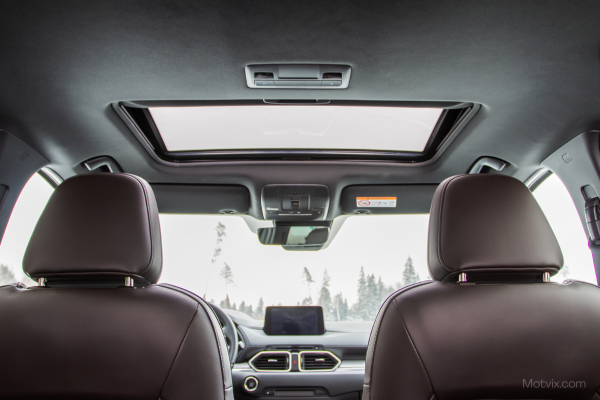
From compact crossovers to full-size electric sedans, the panoramic roof has become one of the most sought-after features in the automotive market. Its appeal is both instinctive and deliberate: natural light changes how a space feels, and carmakers know it.
The Architecture of Openness
Designing a glass roof into a vehicle is not simply a matter of replacing sheet metal with a transparent panel. Engineers and designers must reconcile structural integrity, thermal comfort, acoustic performance, and aesthetic ambition — all at the same time.
Modern panoramic roofs typically use laminated or tempered glass with integrated UV and infrared filters, allowing light to enter while limiting solar heat gain. This balance is critical: a cabin that feels bright and airy should not become uncomfortably warm on a sunny afternoon. Some systems incorporate electrochromic technology, enabling the glass to shift between transparent and opaque states at the touch of a button — a feature that further blurs the line between hardware and software in the modern vehicle.
Structurally, manufacturers compensate for the reduced rigidity of a large glass panel by reinforcing the surrounding body architecture, particularly the roof rails and B-pillars. The result is a design challenge that demands close collaboration between the engineering and styling departments from the earliest stages of vehicle development.
Light as a Design Language
Interior designers have increasingly embraced natural light not just as a comfort feature but as an active design tool. A well-placed panoramic roof can make a compact cabin feel expansive, reduce the visual weight of an interior, and create a sense of connection between the occupants and their surroundings.
This philosophy is especially visible in electric vehicles, where the absence of a traditional powertrain layout has given designers new freedom to rethink the cabin from the ground up. Several recent EV concepts and production models feature fixed-glass roofs that span nearly the entire surface area overhead, effectively transforming the roof into a skylight.
Color temperature and light diffusion also play a role. Tinted or gradient glass panels can cast a particular quality of light that feels intentional rather than incidental — contributing to the overall mood of the interior much like ambient lighting strips or material choices do.
Acoustic and Thermal Challenges
Despite their popularity, panoramic roofs introduce real engineering trade-offs. Glass transmits sound differently than metal, requiring additional acoustic dampening to prevent wind noise or rain from becoming intrusive at highway speeds. Manufacturers have invested significantly in laminated glass formulations and sealing systems to address this.
Thermal management remains an ongoing challenge, particularly in regions with extreme climates. Even the most advanced solar-control glass will absorb and radiate some heat, which can affect cabin comfort and place additional demands on the vehicle’s climate control system — a particularly relevant consideration for electric vehicles, where energy efficiency is paramount.
A Feature That Defines the Experience
What makes the panoramic roof genuinely significant is not just what it does technically, but what it communicates. It signals openness, modernity, and a certain confidence in design. For buyers, it often represents one of the clearest ways a vehicle can feel different — more generous, more considered, more alive.
As automotive interiors continue to evolve into sophisticated, experience-focused environments, the role of natural light will only grow. Glass roofs are no longer a luxury addition layered onto a finished design. They are, increasingly, where the design begins.